




Texas district unveils bio-fuel school bus
DALLAS — Last week, Dallas County Schools (DCS) unveiled its “Fryer Flyer,” a school bus with twin fuel systems — one that carries biodiesel and one ...

DALLAS — Last week, Dallas County Schools (DCS) unveiled its “Fryer Flyer,” a school bus with twin fuel systems — one that carries biodiesel and one that carries waste vegetable oil (WVO).
The bus was built with factory stock items by DCS technicians and includes a computerized switch to maximize fuel efficiency based on engine temperature. The construction of the bus is one facet of the county school district’s plan to convert from operating diesel-powered school buses to ones that run on bio-fuel by developing its own, homegrown fuel source.
DCS President Larry Duncan and the DCS Board of Trustees set alternative fuels as a priority in 2007. “Fuel prices are skyrocketing and air pollution is choking our children,” Duncan said. “Fuel price increases are hurting everyone, from filling your car at the pump to the taxes you pay so our children can take the bus to school. In addition to fouling the atmosphere, tests show that diesel pollution concentrates inside a bus. We are attacking both problems by shifting to bio-fuels.”
Working with Two Podners Restaurant, Frito Lay and an assortment of other food manufacturers, DCS is collecting WVO that has been used to fry foods and is no longer fit for human consumption. This oil is the basis of the district’s alternative diesel fuel program.
While others have used virgin food oil to produce biodiesel, DCS has gone a step further, developing a system that will enable a bus to run on straight WVO. The Fryer Flyer had been in testing for more than a year and a half, and the test phase was recently completed.
Until buses can be converted to this system, all DCS diesel buses are running on biodiesel made from donated waste oil at DCS' facility in Kleberg County.
Of the approximately 1,600 school buses in the fleet, 55 percent are diesel-powered. The other half of the fleet, which was formerly powered by gasoline, is now running on natural gas.
More Alternative Fuels
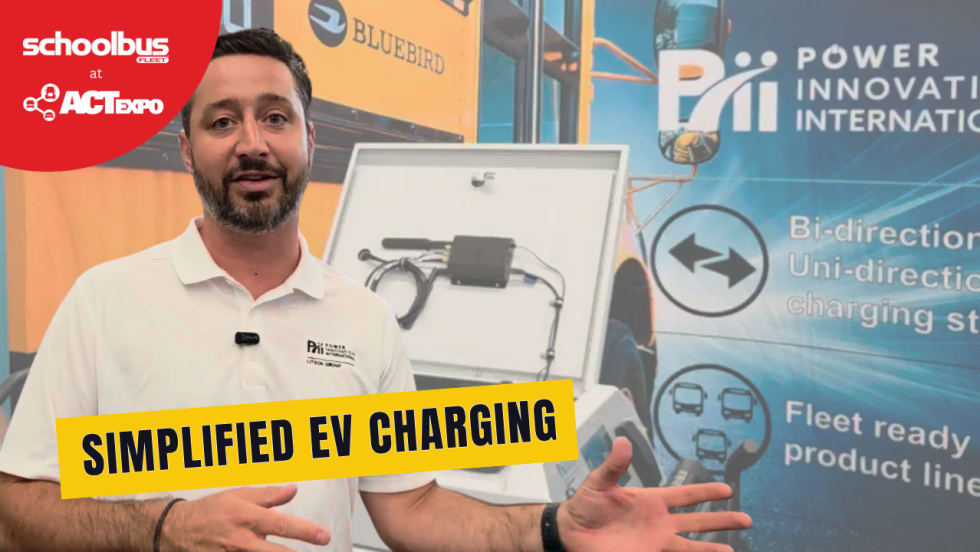
A Solution Helping School Buses Charge Without Major Infrastructure Upgrades
Power Innovations International dishes on its EV charging technology designed to reduce infrastructure barriers, improve reliability, and support V2G applications for school bus fleets.
Read More →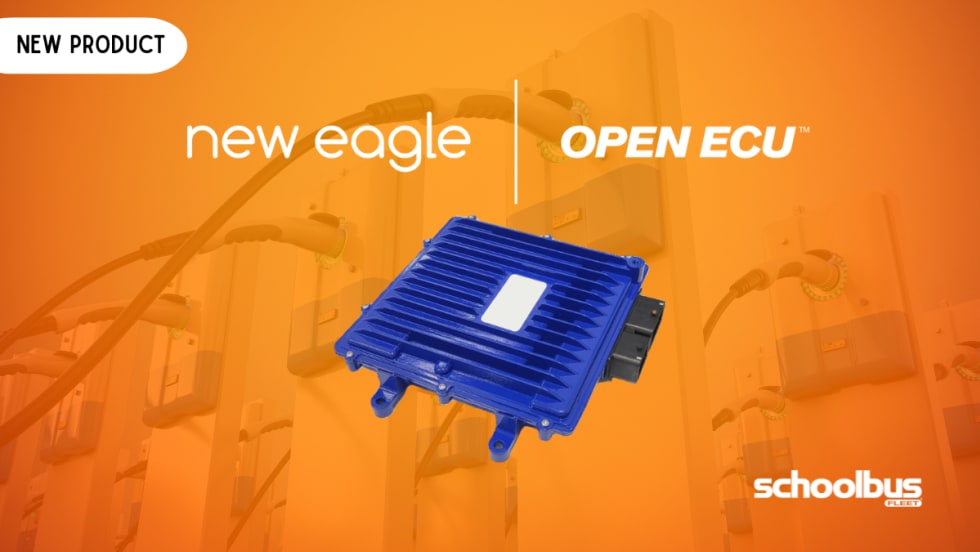
New Eagle Launches All-in-One EV Control Platform
The new OpenECU NX3 platform integrates charging and vehicle controls into a single platform, with support for megawatt charging and vehicle-to-grid technologies.
Read More →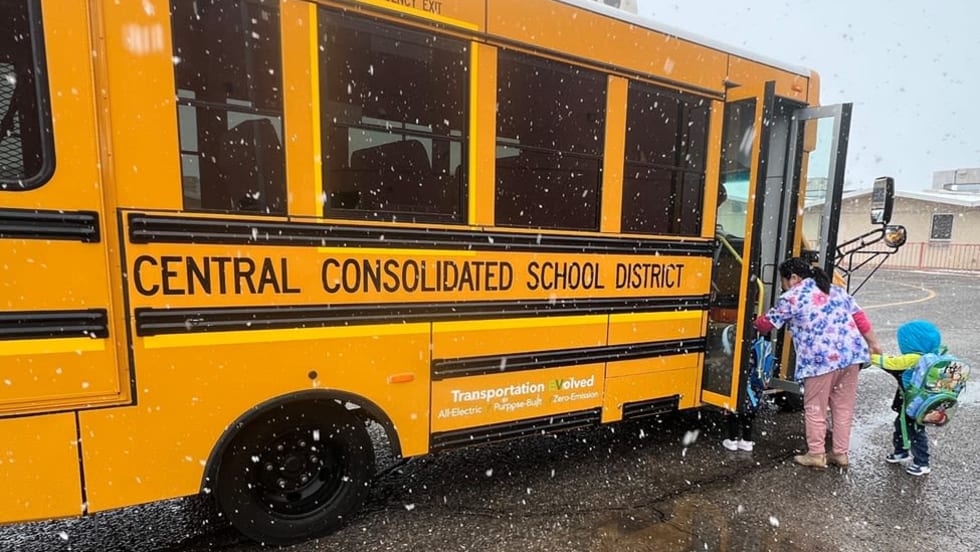
GreenPower Unveils New Heating Solution for Type A Bus
The all-electric bus manufacturer's new product aims to eliminate cold-cabin issues on its Nano BEAST zero-emission school buses operating in cold climates.
Read More →
Alt-Fuel Moves: Fleets Plug In for the Long Haul
School districts across the U.S. are moving electric school bus plans into operation, with new fleet deployments, charging infrastructure, and long-term electrification partnerships taking shape.
Read More →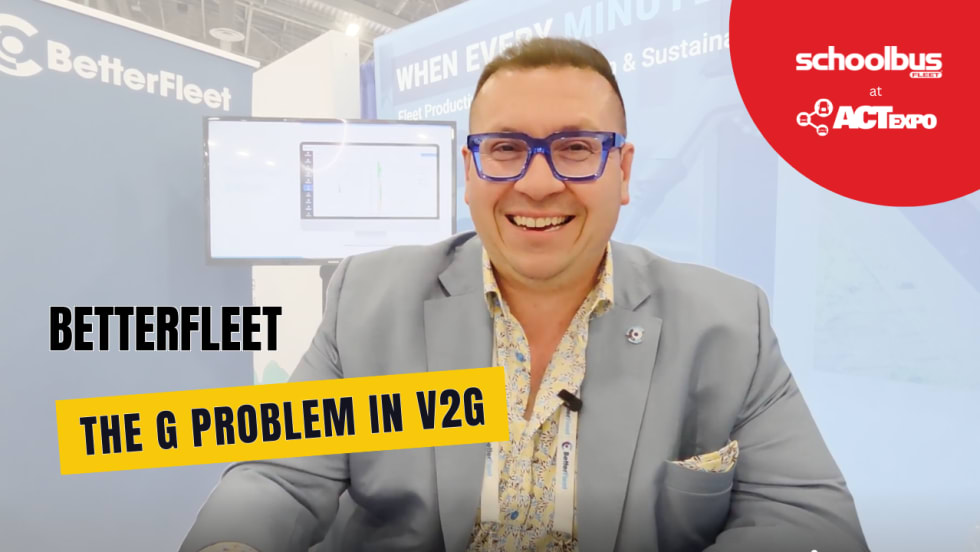
The Achilles Heel of School Bus Electrification: BetterFleet’s Take
BetterFleet’s managing partner discusses AI-powered EV fleet management, vehicle-to-grid challenges, and the real challenges in bus electrification today, from ACT Expo.
Read More →
You're On Your Own to Pick a Drivetrain [Op-Ed]
After years of federal pressure toward electric school buses, districts are suddenly being told to choose their own path. Let’s explore the risks, realities, and politics behind school bus drivetrain decisions.
Read More →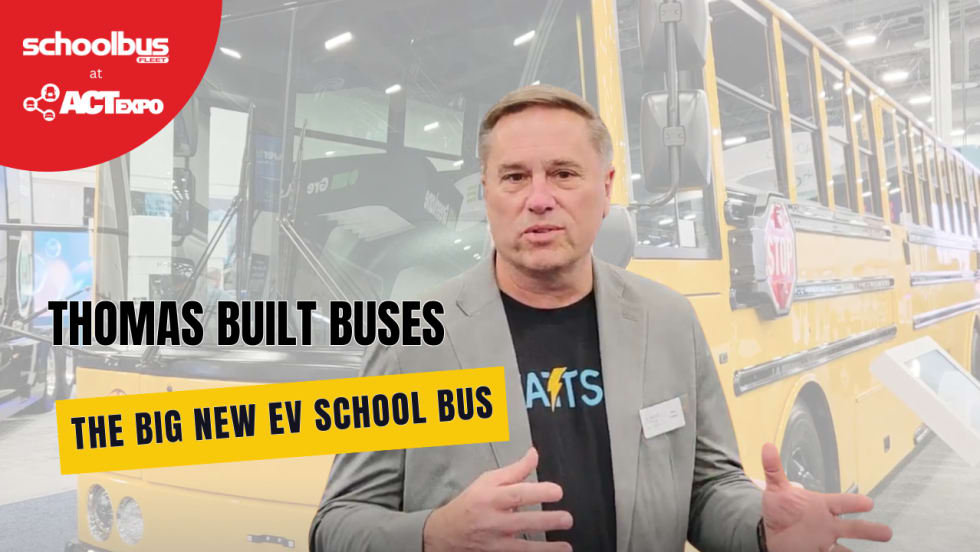
Wattson: Thomas Built’s Largest EV School Bus Yet
Check in with Mark Childers on the new Wattson Type D electric school bus, featuring faster charging, expanded passenger capacity, and advanced safety technology.
Read More →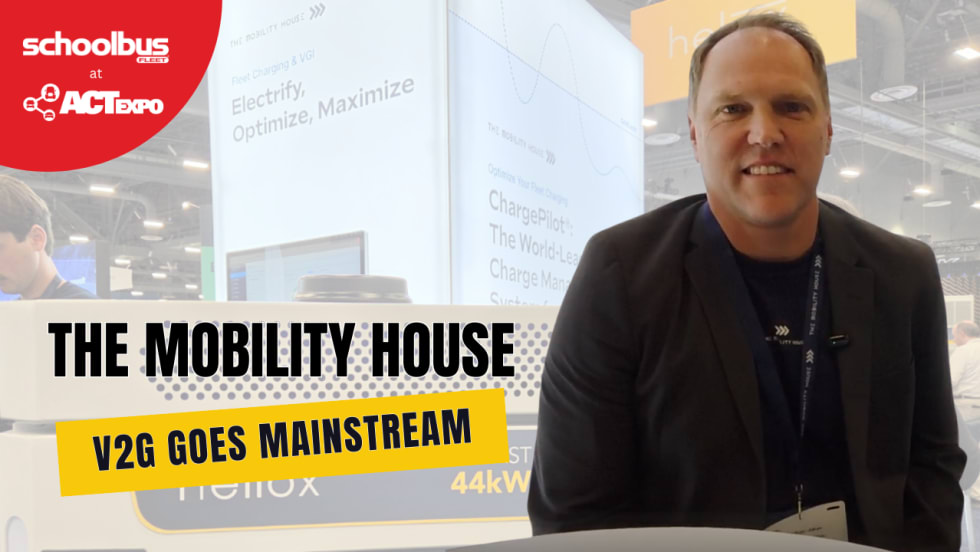
The New Era of Electric School Buses: V2G, Bidirectional Chargers & More
The Mobility House discusses AI-powered charging, vehicle-to-grid technology, smart energy management, and the next phase of school bus electrification.
Read More →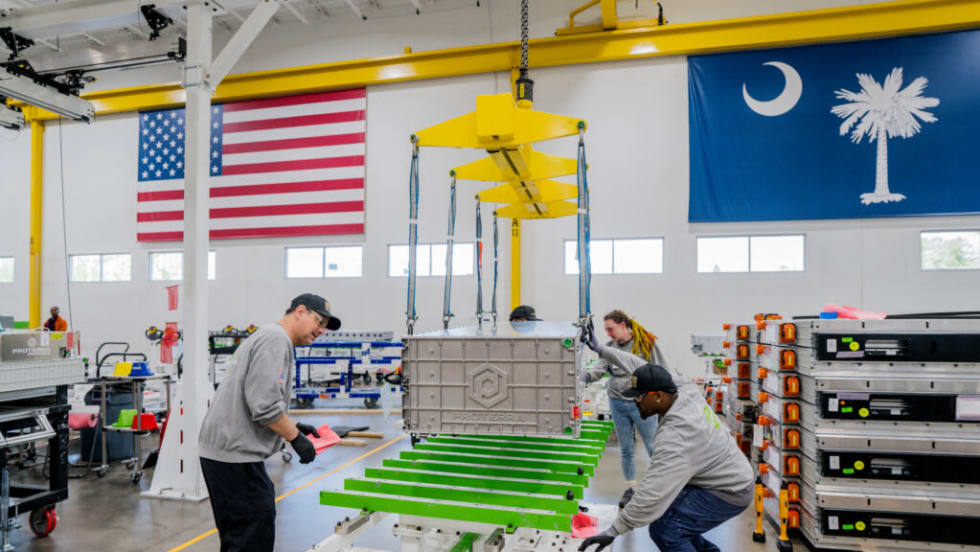
Now Made in America: Proterra Turns to U.S.-Built EV Batteries
Proterra announced a new U.S.-sourced battery cell option for its Onyx platform, boosting domestic content by more than 600% and strengthening EV supply chain resilience for commercial vehicle OEMs.
Read More →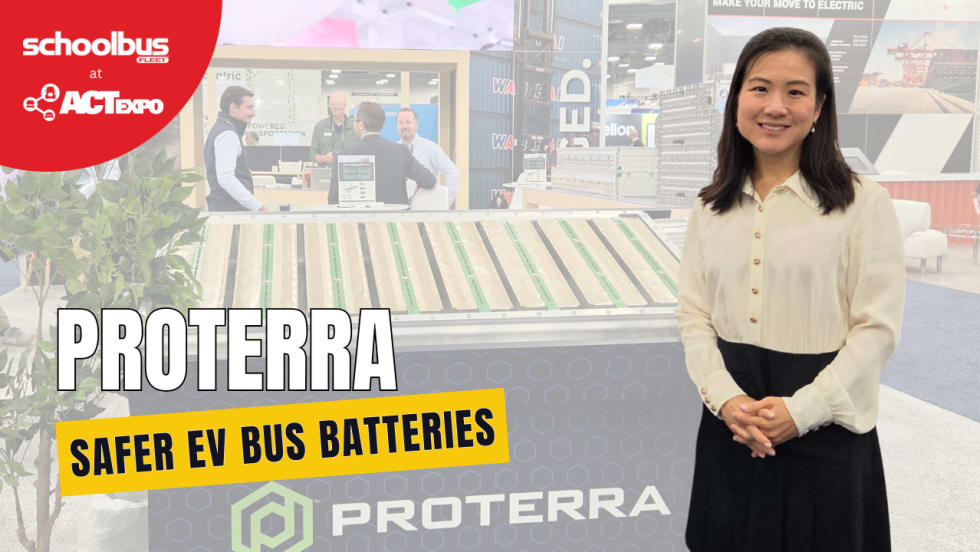
A Look at the Battery Technology Powering Electric School Buses
Check in with Proterra on next-generation EV battery technology for school buses, including safety innovations, predictive diagnostics, EPA 2027 readiness, and the future of transportation from ACT Expo.
Read More →