



From 'Great' to 'Green'
No, that’s not a typo on the cover of this issue. If you’ve been reading SBF for at least a year, you’re probably familiar with our Grea...
No, that’s not a typo on the cover of this issue.
If you’ve been reading SBF for at least a year, you’re probably familiar with our Great Fleets Across America series.
Hard to believe, but we’ve been recognizing school districts and contractors from all over the nation with the Great Fleets banner since 1999.
This year, we’ve decided to add a twist to the tradition: The feature has been rechristened Green Fleets Across America.
As the name suggests, this special edition focuses on school bus operations’ environmental efforts — emissions-reducing equipment, alternative fuels, anti-idling policies, recycling programs and more.
Noble pursuits
As you read through the profiles of these
10 Green Fleets, you’ll likely see some familiar
endeavors, such as retrofitting older
buses with diesel particulate filters, using
GPS and software to increase route efficiency,
or running the fleet on biodiesel. Hopefully,
you have some of these types of practices
in place at your own operation.
But I think you’ll also be surprised by the more unusual and innovative green efforts that some of these operations have implemented.
For example, did you know that shredded paper can take on a new life in a barn?
At Red Lion Bus Co., one of the part-time school bus drivers is a farmer who takes shredded paper home to his cows and horses for their stalls.
And at Kip’s Bus Service, they use their shredded paper as nesting for their own chickens.
Many paths to green
Going green isn’t a new phenomenon
in our industry. Some
operations have been powering
their buses with cleaner-burning
fuels, like propane or CNG, for
more than a decade.
Many environmentally friendly practices end up saving money as well. For example, anti-idling policies cut fuel consumption, which reduces emissions and, of course, dollars spent.
Going green is becoming more inevitable. The EPA’s 2007 regulations for new diesel engines mandated a more than 50-percent reduction in nitrogen oxides (NOx) and a 90-percent reduction in particulate matter. The engines must also run on ultra-low sulfur diesel, which has no more than 15 parts per million (ppm) of sulfur versus the previous standard of 500 ppm.
With the fast-approaching 2010 requirements, emissions will be brought down even further — to near-zero levels of NOx and particulate matter.
Going green has also become easier with the array of alternative-fuel school bus options from the large bus manufacturers.
IC Bus offers its Hybrid CE school bus, which can be a charge-sustaining or charge-depleting model.
Thomas Built Buses has a forthcoming Hybrid Saf-T-Liner C2 school bus, and it already offers a Saf-T-Liner HDX powered by CNG.
Blue Bird offers its propane Vision school bus, and its All American is available as a CNG model.
And as many in the industry have pointed out, a school bus can replace dozens of cars on the road, which is good for the environment and good for anyone who hates traffic.
More Alternative Fuels
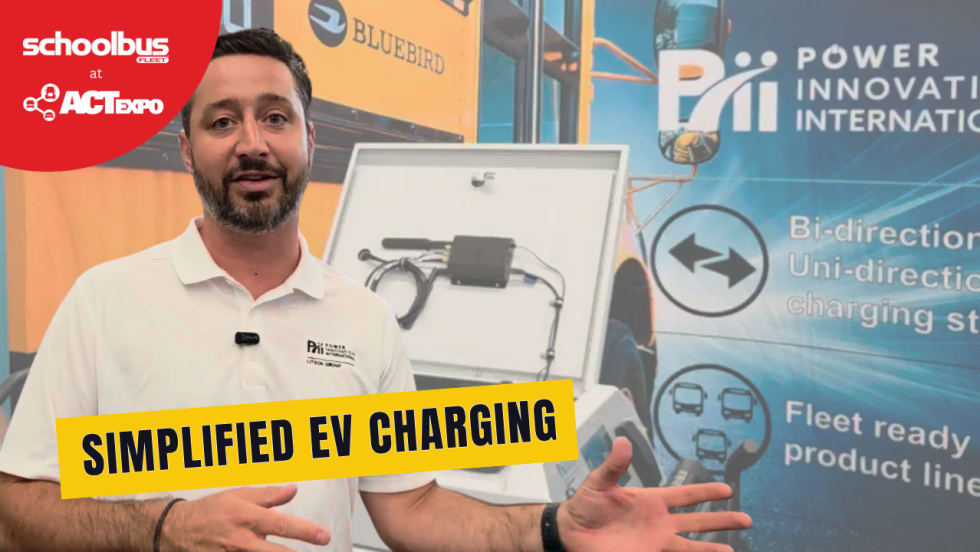
A Solution Helping School Buses Charge Without Major Infrastructure Upgrades
Power Innovations International dishes on its EV charging technology designed to reduce infrastructure barriers, improve reliability, and support V2G applications for school bus fleets.
Read More →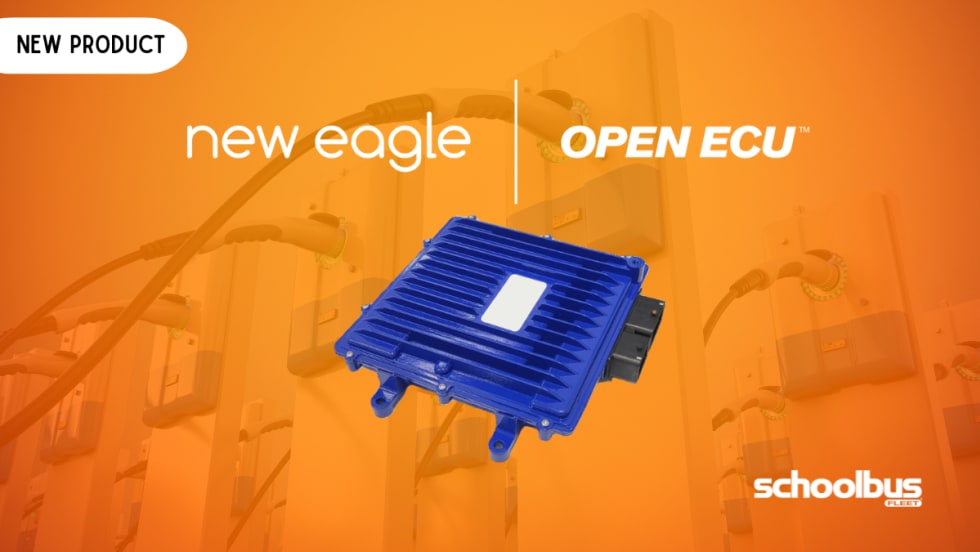
New Eagle Launches All-in-One EV Control Platform
The new OpenECU NX3 platform integrates charging and vehicle controls into a single platform, with support for megawatt charging and vehicle-to-grid technologies.
Read More →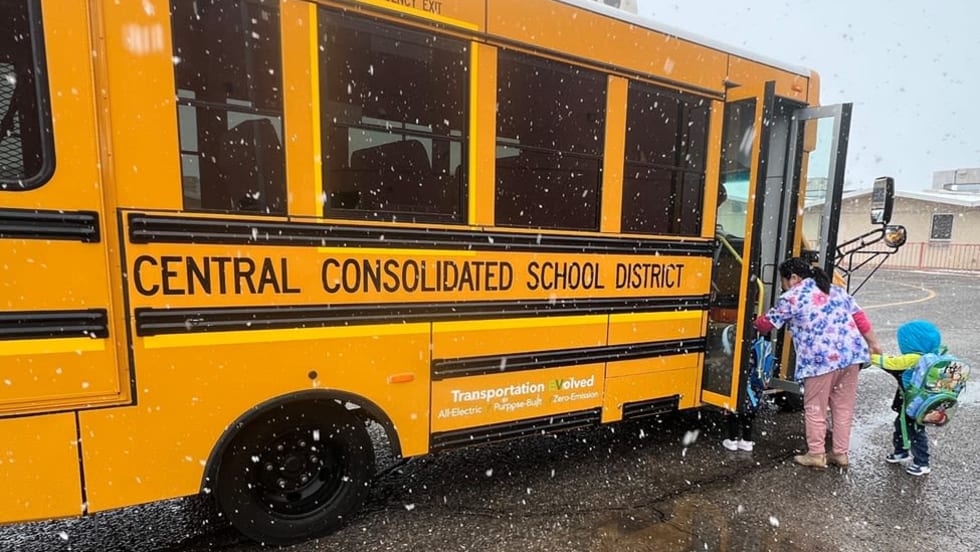
GreenPower Unveils New Heating Solution for Type A Bus
The all-electric bus manufacturer's new product aims to eliminate cold-cabin issues on its Nano BEAST zero-emission school buses operating in cold climates.
Read More →
Alt-Fuel Moves: Fleets Plug In for the Long Haul
School districts across the U.S. are moving electric school bus plans into operation, with new fleet deployments, charging infrastructure, and long-term electrification partnerships taking shape.
Read More →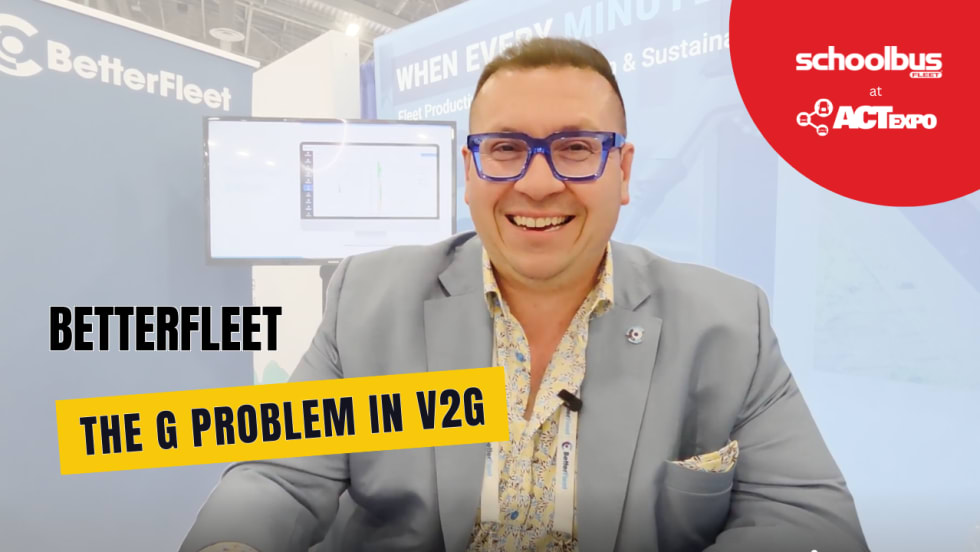
The Achilles Heel of School Bus Electrification: BetterFleet’s Take
BetterFleet’s managing partner discusses AI-powered EV fleet management, vehicle-to-grid challenges, and the real challenges in bus electrification today, from ACT Expo.
Read More →
You're On Your Own to Pick a Drivetrain [Op-Ed]
After years of federal pressure toward electric school buses, districts are suddenly being told to choose their own path. Let’s explore the risks, realities, and politics behind school bus drivetrain decisions.
Read More →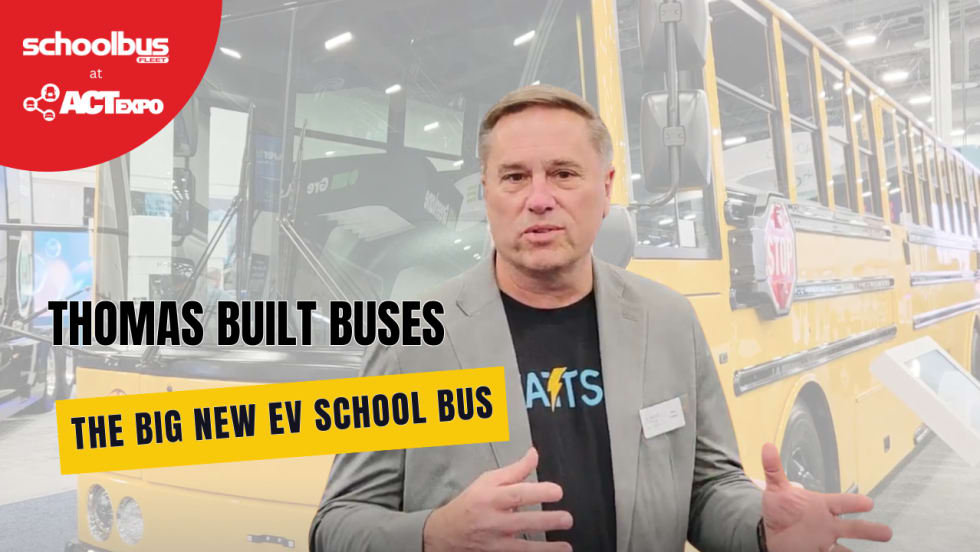
Wattson: Thomas Built’s Largest EV School Bus Yet
Check in with Mark Childers on the new Wattson Type D electric school bus, featuring faster charging, expanded passenger capacity, and advanced safety technology.
Read More →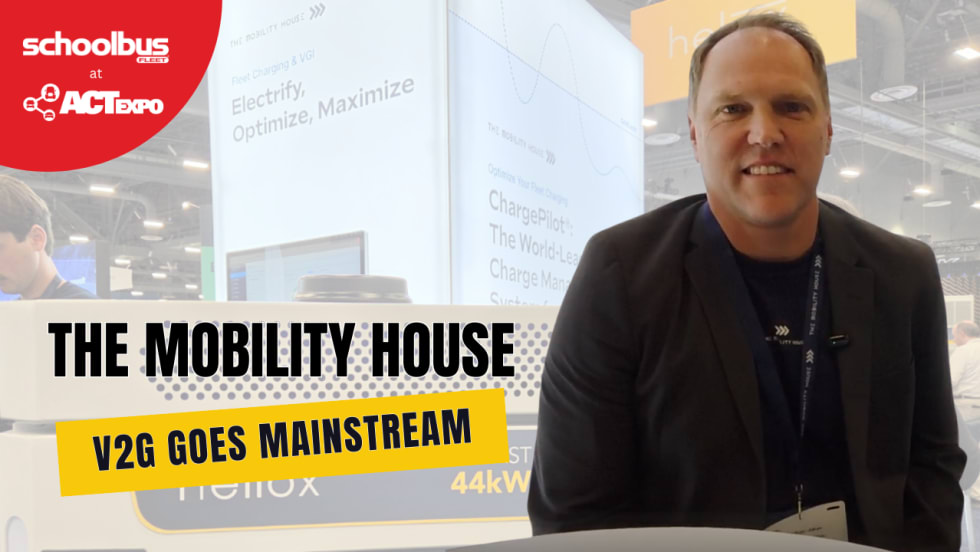
The New Era of Electric School Buses: V2G, Bidirectional Chargers & More
The Mobility House discusses AI-powered charging, vehicle-to-grid technology, smart energy management, and the next phase of school bus electrification.
Read More →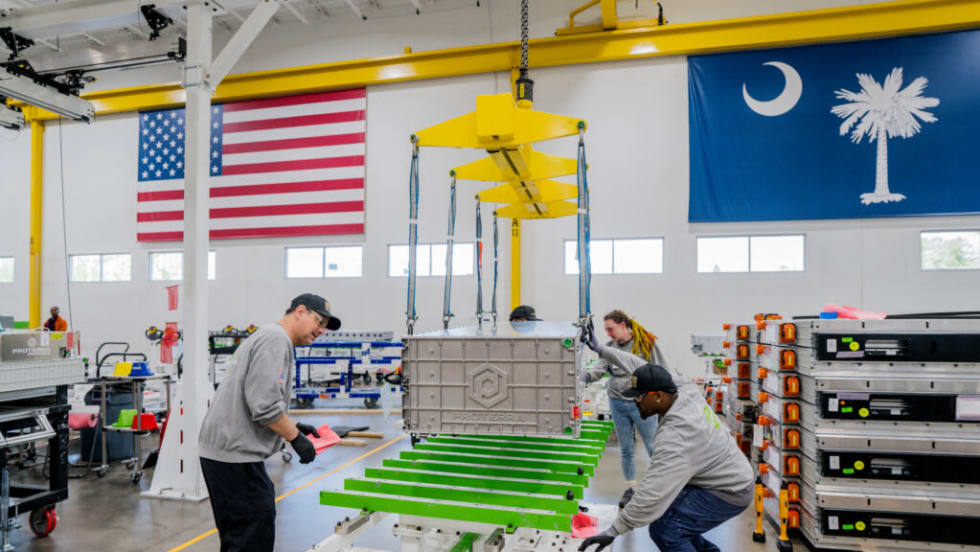
Now Made in America: Proterra Turns to U.S.-Built EV Batteries
Proterra announced a new U.S.-sourced battery cell option for its Onyx platform, boosting domestic content by more than 600% and strengthening EV supply chain resilience for commercial vehicle OEMs.
Read More →
A Look at the Battery Technology Powering Electric School Buses
Check in with Proterra on next-generation EV battery technology for school buses, including safety innovations, predictive diagnostics, EPA 2027 readiness, and the future of transportation from ACT Expo.
Read More →