



How I Grew to Love Biodiesel
In the fall of 2003, I was approached by Bloomington Transit and Indiana University to participate in a pilot program using B20 (20 percent soy biodiesel, 80 percent petroleum diesel).
In the fall of 2003, I was approached by Bloomington Transit and Indiana University to participate in a pilot program using B20 (20 percent soy biodiesel, 80 percent petroleum diesel).
I knew this was the right thing to do politically, but I was still hesitant because of all the negative information I had heard regarding soy biodiesel. Reluctantly, I agreed to participate in the pilot program. But I told the Indiana Soybean Board that if I experienced one problem, they were pumping my tanks and I would never use it again.
I chose four of my oldest buses — with engines such as International’s DT 360 and CAT’s 3116 and 3208 — as I was sure that I would lose a motor during the pilot program, and I could just send the bus to the auction pile.
We began the program in December 2003, just in time for winter. One morning, the temperature was below zero. On my way to coffee, I called the morning supervisor and told her to get some buses running so that when the biodiesel buses quit, we would have spares ready to go. I was sure they would gel up, but I was proven wrong.
There were no problems whatsoever.
Another morning, the temperature was -23 degrees, and we had a bus leaving on a field trip. The driver wanted to know if she should take a biodiesel bus or a regular-diesel spare bus. Since the trip was in town, I advised her to take the biodiesel bus. If she were to have problems, we’d be able to get to her fast.
Again, no problems.
In summer 2004, we began running our summer-school buses on B20. We didn’t experience filter problems on any of these buses. But we had some filter problems at our fuel pumps.
My advice to others who implement B20 is to have external filters on your pumps and keep them clean. After all, soy methyl ester is a natural solvent, and it will clean your tanks out if you have old tanks.
In fall 2005, we switched our entire fleet to B20. We are monitoring our fuel closely. When ordering, we specify what we want the CFPP to be and leave the mixing up to the supplier.
We also specify a minimum of 50 cetane on our low sulfur diesel and require our supplier, Countrymark Co-op, to pull samples and run lab tests on our CFPP. To date, we have not experienced any problems due to cold weather.
We have seen several benefits from using soy biodiesel. The most obvious one is the noticeable reduction in diesel fumes in our bus lot. We no longer have the blue haze that used to linger when we started our buses on cold mornings at 5.
Allen Jackson, our garage supervisor, notices a difference in the garage as well. While we may have been a little premature in changing our fuel filters, with the clean-burning biodiesel we have been able to double our mileage and increase our oil change intervals.
Gary Koontz, our mechanic who takes care of our preventive maintenance, says that he can tell by the feel of the fuel how clean it is. It doesn’t have the gritty feeling that No. 2 diesel has. I have even had a few drivers mention that their bus seems to be running more smoothly on biodiesel.
Now, we can’t imagine going back to straight diesel.
Mike Clark is director of transportation at Monroe County Community School Corp. in Bloomington, Ind.
Fast Facts
Buses.........................................110
Students transported daily...........9,000
Total students in district..............10,776
Schools served...........................19
Daily mileage..............................6,000
Area of service............................352 sq. miles
Average driver wages..................$12.14/hour
More Alternative Fuels
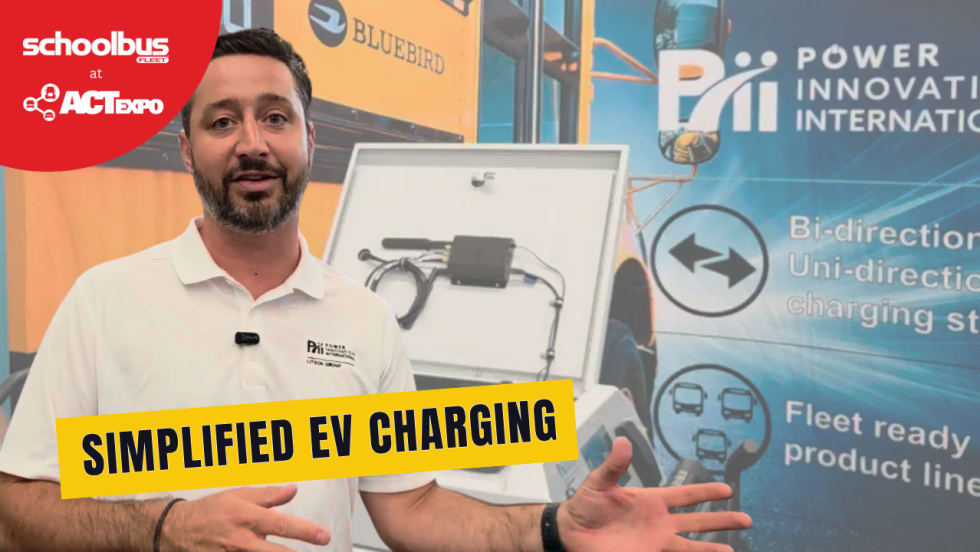
A Solution Helping School Buses Charge Without Major Infrastructure Upgrades
Power Innovations International dishes on its EV charging technology designed to reduce infrastructure barriers, improve reliability, and support V2G applications for school bus fleets.
Read More →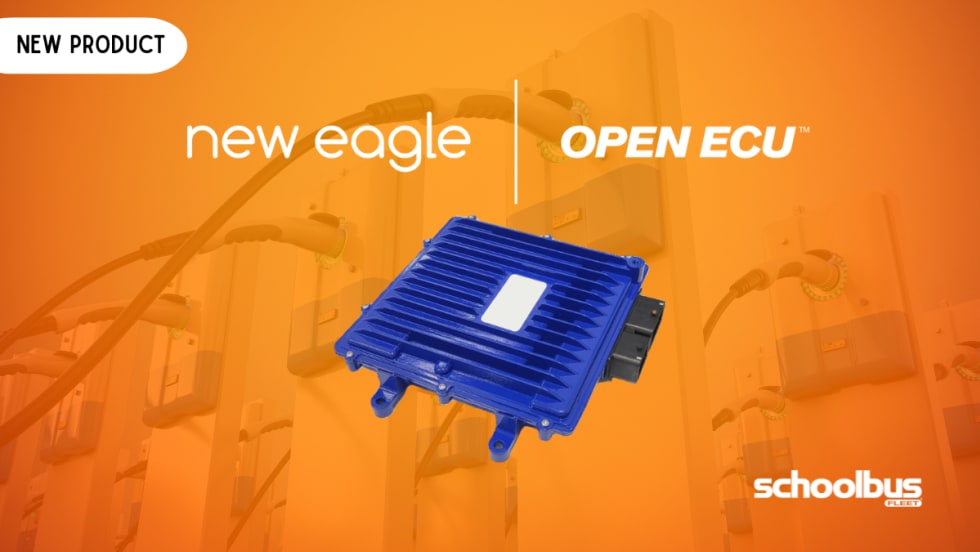
New Eagle Launches All-in-One EV Control Platform
The new OpenECU NX3 platform integrates charging and vehicle controls into a single platform, with support for megawatt charging and vehicle-to-grid technologies.
Read More →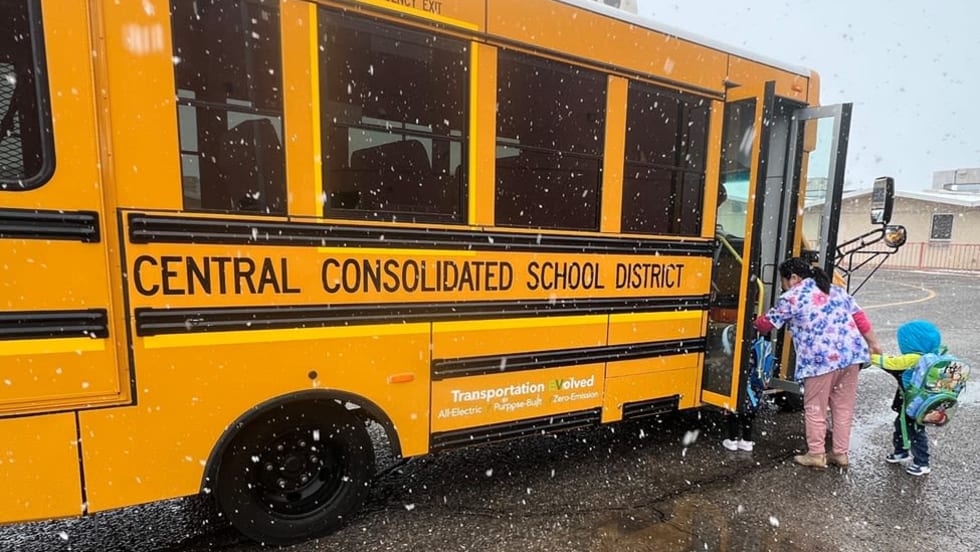
GreenPower Unveils New Heating Solution for Type A Bus
The all-electric bus manufacturer's new product aims to eliminate cold-cabin issues on its Nano BEAST zero-emission school buses operating in cold climates.
Read More →
Alt-Fuel Moves: Fleets Plug In for the Long Haul
School districts across the U.S. are moving electric school bus plans into operation, with new fleet deployments, charging infrastructure, and long-term electrification partnerships taking shape.
Read More →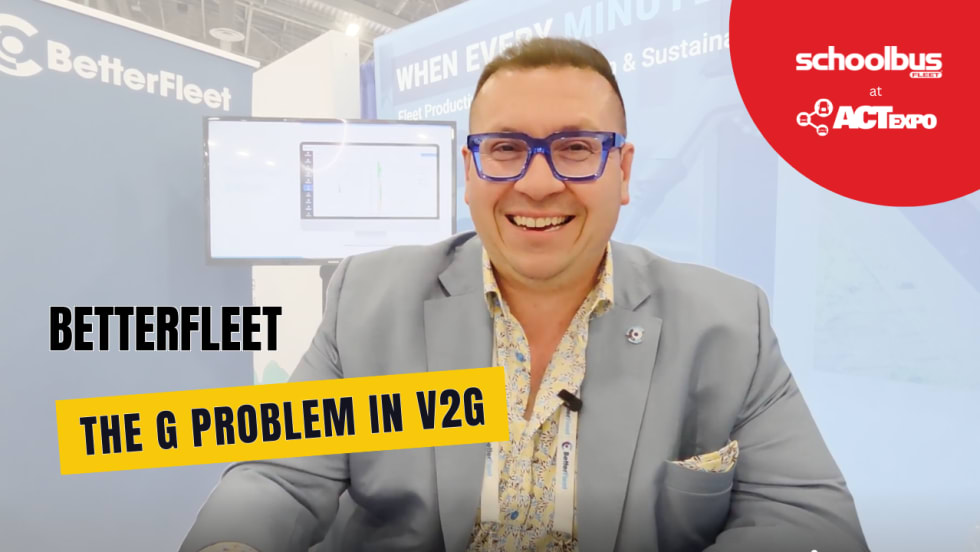
The Achilles Heel of School Bus Electrification: BetterFleet’s Take
BetterFleet’s managing partner discusses AI-powered EV fleet management, vehicle-to-grid challenges, and the real challenges in bus electrification today, from ACT Expo.
Read More →
You're On Your Own to Pick a Drivetrain [Op-Ed]
After years of federal pressure toward electric school buses, districts are suddenly being told to choose their own path. Let’s explore the risks, realities, and politics behind school bus drivetrain decisions.
Read More →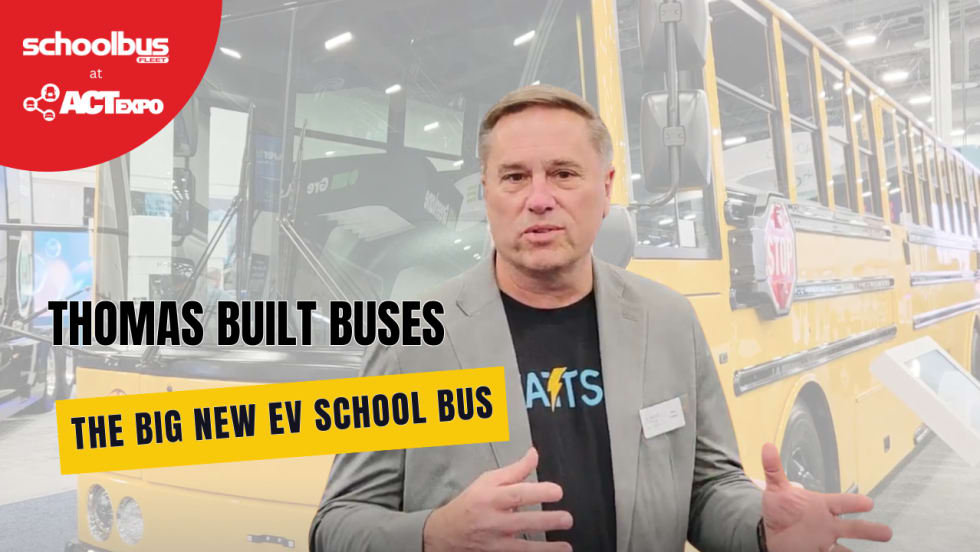
Wattson: Thomas Built’s Largest EV School Bus Yet
Check in with Mark Childers on the new Wattson Type D electric school bus, featuring faster charging, expanded passenger capacity, and advanced safety technology.
Read More →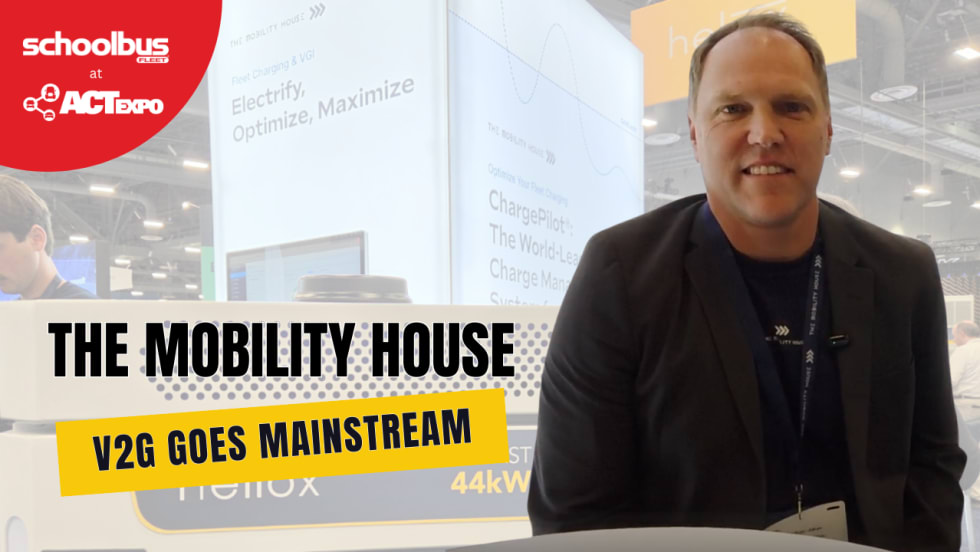
The New Era of Electric School Buses: V2G, Bidirectional Chargers & More
The Mobility House discusses AI-powered charging, vehicle-to-grid technology, smart energy management, and the next phase of school bus electrification.
Read More →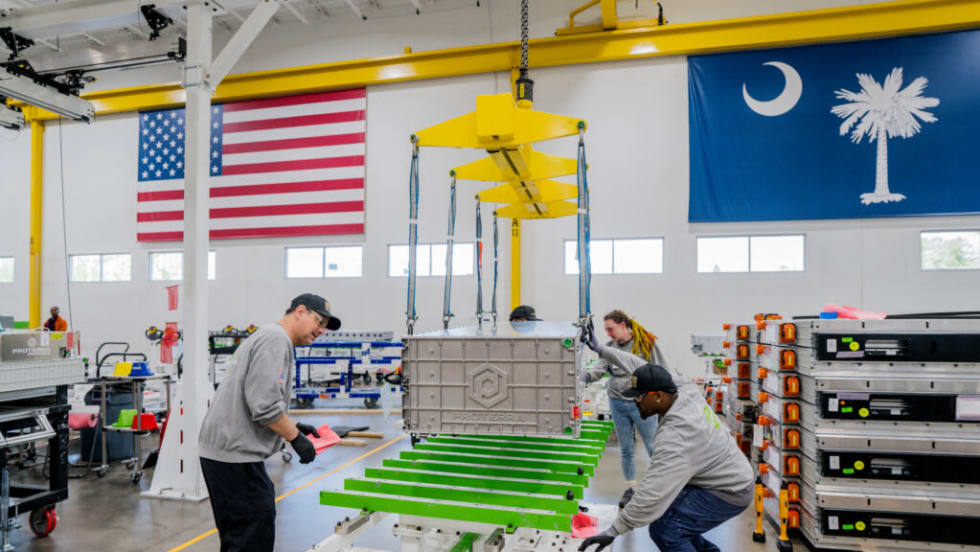
Now Made in America: Proterra Turns to U.S.-Built EV Batteries
Proterra announced a new U.S.-sourced battery cell option for its Onyx platform, boosting domestic content by more than 600% and strengthening EV supply chain resilience for commercial vehicle OEMs.
Read More →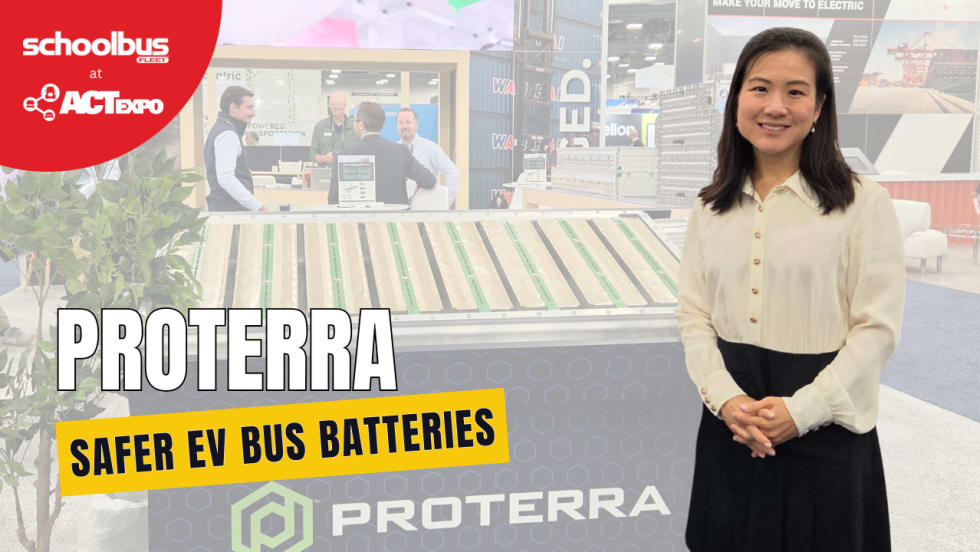
A Look at the Battery Technology Powering Electric School Buses
Check in with Proterra on next-generation EV battery technology for school buses, including safety innovations, predictive diagnostics, EPA 2027 readiness, and the future of transportation from ACT Expo.
Read More →