




Passengers to Be Monitored for Pollutant Levels
Connecticut’s Department of Environmental Protection (DEP) has announced a pilot program to study the air quality on school buses, in passenger loadin...

Connecticut’s Department of Environmental Protection (DEP) has announced a pilot program to study the air quality on school buses, in passenger loading and unloading areas and in the classroom by having students wear portable air monitors. In concert with the student monitoring, the project, called the Clean School Bus Program, will test the effectiveness of clean diesel technology by retrofitting several school buses with particulate traps and oxidation catalysts. The buses will be run on ultra-low sulfur diesel fuel. Personal monitoring will take place in May and September, before and after the clean-diesel upgrades to the buses. Funding for the project was made available through a Supplemental Environmental Project, resulting from a settlement of an enforcement action against a Norwich metallurgical facility. Through the $250,000 settlement, the DEP will fund the retrofitting of six to eight buses with pollution-control equipment and subsidize the city of Norwich for the 15 cents-per-gallon premium for low-sulfur fuel. First Student Inc., the bus company that serves Norwich, will start the 2002-03 school year with the retrofitted buses. The new technologies are expected to reduce hydrocarbons and carbon monoxide levels by approximately 70 percent. Fine particulates are expected to be reduced by as much as 90 percent.
More Alternative Fuels
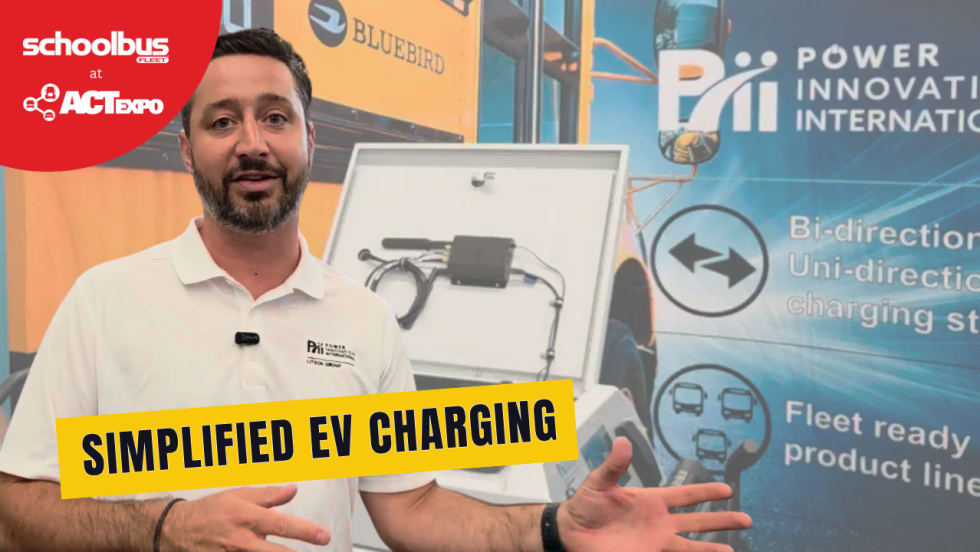
A Solution Helping School Buses Charge Without Major Infrastructure Upgrades
Power Innovations International dishes on its EV charging technology designed to reduce infrastructure barriers, improve reliability, and support V2G applications for school bus fleets.
Read More →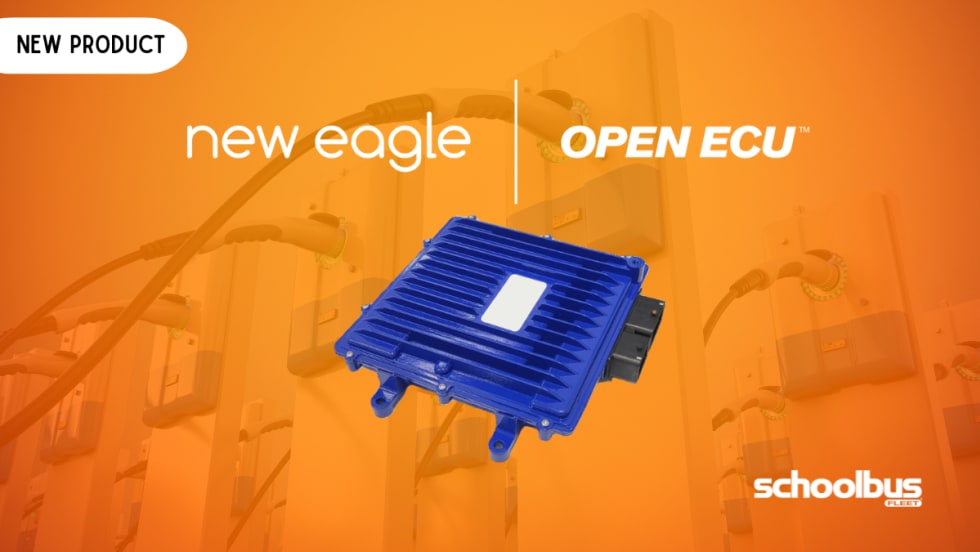
New Eagle Launches All-in-One EV Control Platform
The new OpenECU NX3 platform integrates charging and vehicle controls into a single platform, with support for megawatt charging and vehicle-to-grid technologies.
Read More →
GreenPower Unveils New Heating Solution for Type A Bus
The all-electric bus manufacturer's new product aims to eliminate cold-cabin issues on its Nano BEAST zero-emission school buses operating in cold climates.
Read More →
Alt-Fuel Moves: Fleets Plug In for the Long Haul
School districts across the U.S. are moving electric school bus plans into operation, with new fleet deployments, charging infrastructure, and long-term electrification partnerships taking shape.
Read More →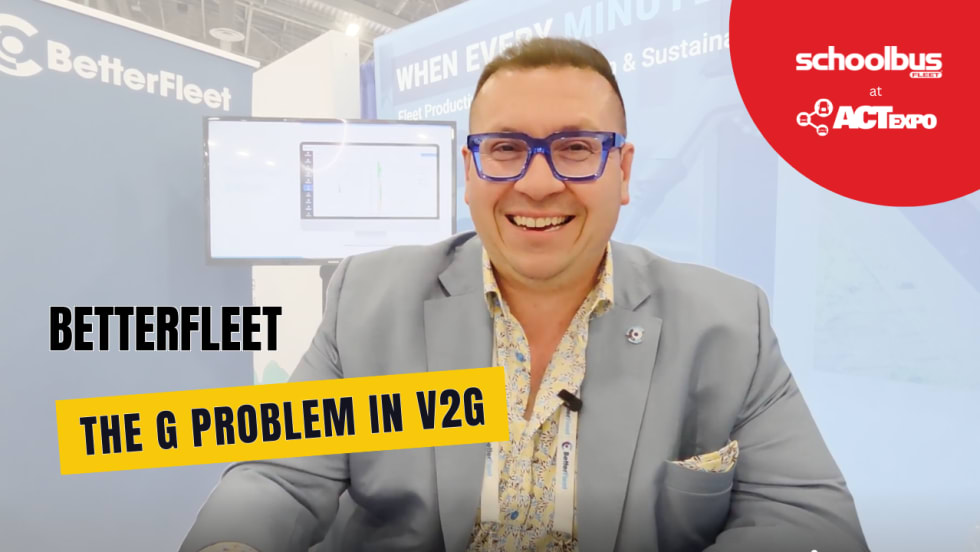
The Achilles Heel of School Bus Electrification: BetterFleet’s Take
BetterFleet’s managing partner discusses AI-powered EV fleet management, vehicle-to-grid challenges, and the real challenges in bus electrification today, from ACT Expo.
Read More →
You're On Your Own to Pick a Drivetrain [Op-Ed]
After years of federal pressure toward electric school buses, districts are suddenly being told to choose their own path. Let’s explore the risks, realities, and politics behind school bus drivetrain decisions.
Read More →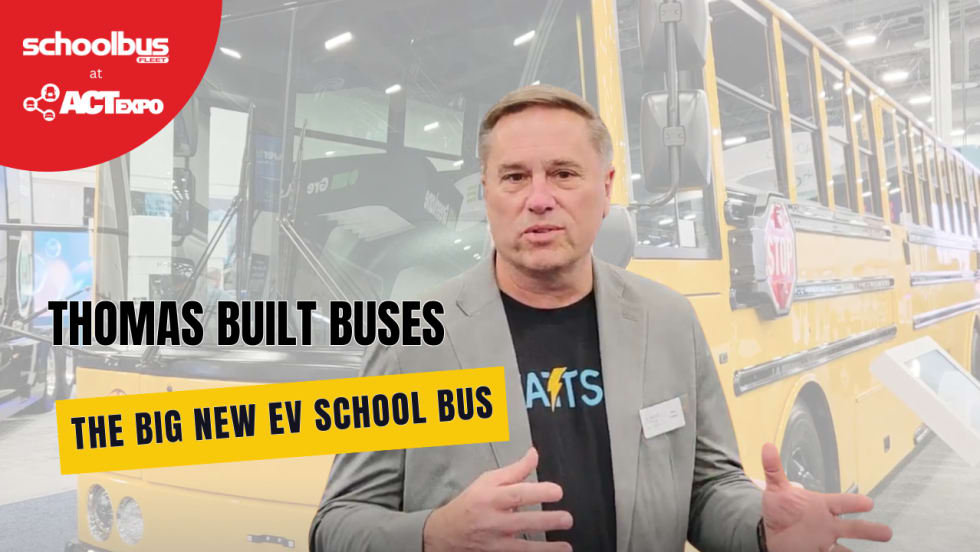
Wattson: Thomas Built’s Largest EV School Bus Yet
Check in with Mark Childers on the new Wattson Type D electric school bus, featuring faster charging, expanded passenger capacity, and advanced safety technology.
Read More →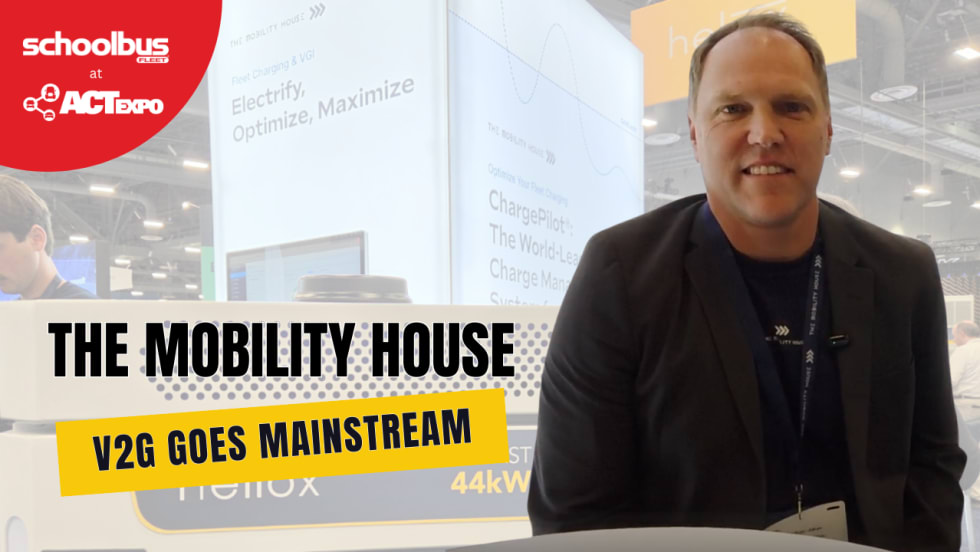
The New Era of Electric School Buses: V2G, Bidirectional Chargers & More
The Mobility House discusses AI-powered charging, vehicle-to-grid technology, smart energy management, and the next phase of school bus electrification.
Read More →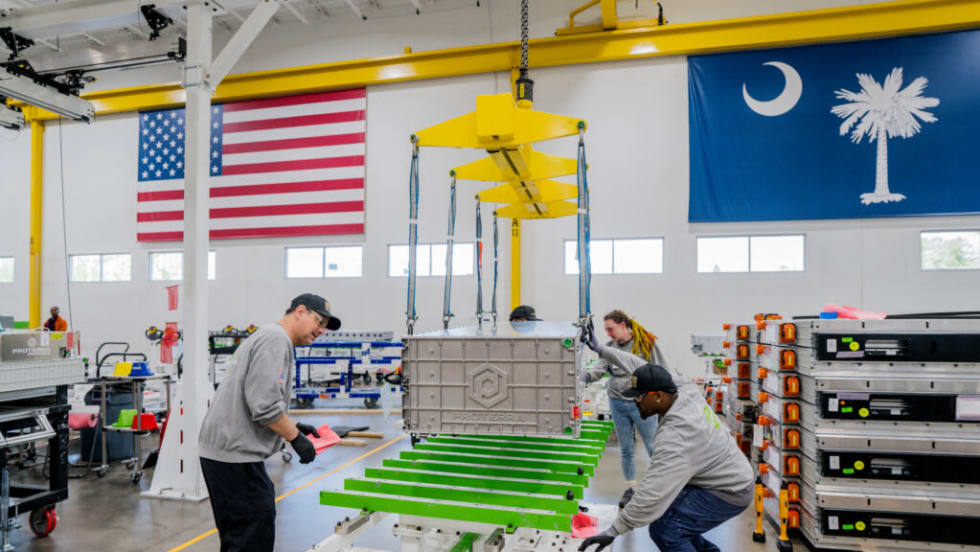
Now Made in America: Proterra Turns to U.S.-Built EV Batteries
Proterra announced a new U.S.-sourced battery cell option for its Onyx platform, boosting domestic content by more than 600% and strengthening EV supply chain resilience for commercial vehicle OEMs.
Read More →
A Look at the Battery Technology Powering Electric School Buses
Check in with Proterra on next-generation EV battery technology for school buses, including safety innovations, predictive diagnostics, EPA 2027 readiness, and the future of transportation from ACT Expo.
Read More →