




Rolling pit jack operates on pit floor
Stertil-Koni USA’s free-standing rolling pit jack has a capacity of 30,000 pounds, and lifting is done by an air driven, fully hydraulic pump actuated by tandem foot pedals. The company offers two models: The FPJ-150-F is fitted with a fixed vertical piston, and the FPJ-150-U has a vertical piston that moves side to side.

STEVENSVILLE, Md. — Stertil-Koni USA’s new free-standing rolling pit jack is specifically designed to safely operate on the pit floor — entirely independent of upper pit edges.
The jack has a capacity of 30,000 pounds, and lifting is done by an air driven, fully hydraulic pump actuated by tandem foot pedals. One pedal quickly raises the piston to be in contact with the vehicle being lifted while the other allows precision lifting in small increments. The service technician is then hands-free to work on the vehicle or operate other tools, according to the company.
In addition, the jack frame is supported on wheels for easy relocation within the pit, but the frame immediately settles to the floor when a load is applied. Finally, the jack is designed to draw the piston back quickly and easily, even when unloaded, to ensure that the vehicle does not contact the jack while driving over the pit.
In terms of durability, both the piston rod and the pump piston are hard-chrome plated for maximum protection against corrosion and water.
The carriage of the rolling pit jack is automatically lowered when handling loads of 1 ton or more, and the integral locking brakes guarantee maximum stability, officials said.
Two models are available. The FPJ-150-F is fitted with a fixed vertical piston, and the FPJ-150-U has a vertical piston that moves side to side.
More Maintenance
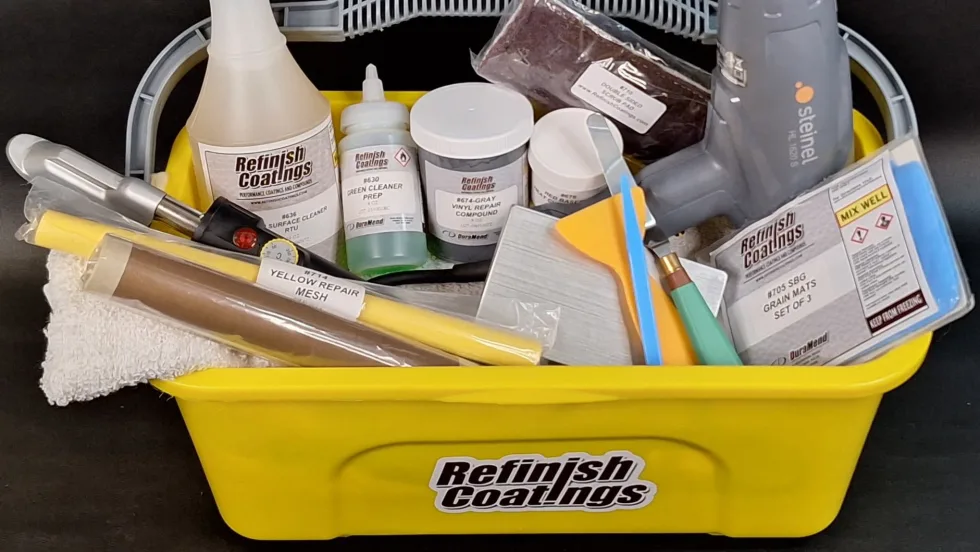
Refinish Coatings Launches School Bus Seat Repair Kit
A new all-in-one vinyl seat repair kit comes with color-matched compounds, tools, and supplies to fix tears, holes, and punctures that kids won't be able to pick.
Read More →
Easy Ways to Reduce School Bus Emissions: Q&A with John Gonzales
Learn how preventive maintenance, driver training, reduced idling, smarter routing, and the right fuel choices can help districts reduce emissions — without investing in new buses.
Read More →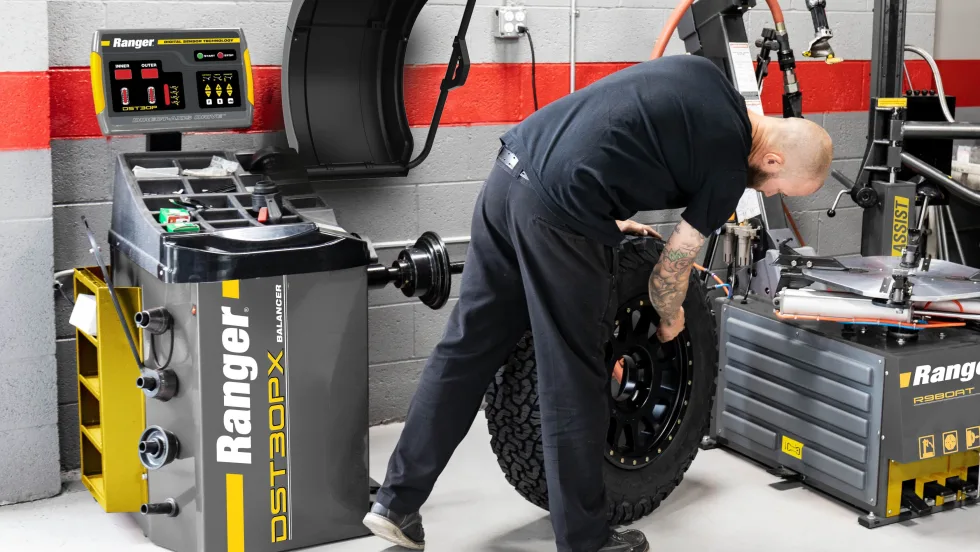
BendPak Launches Ranger DST30PX Wheel Balancer
BendPak's new wheel balancer handles tires up to 43 inches in diameter, with a reinforced design, precise weight placement, and faster service cycles.
Read More →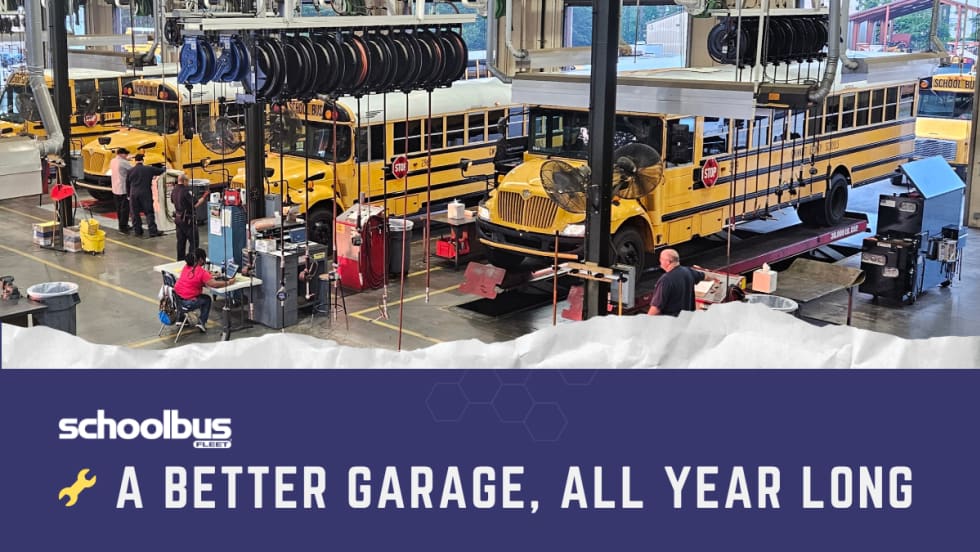
Tips for Ensuring School Bus Garages Are Safe and Warm Year-Round
Cold maintenance bays and rising heating costs? Learn how school bus garages can improve comfort with targeted heating, better airflow, and winter preparation.
Read More →
ASE Highlights School Bus Technician Certification Requirements
ASE is encouraging school bus maintenance professionals to maintain their certifications, highlighting seven specialized tests and five-year renewal requirements.
Read More →
International Adds E-Commerce Capabilities to Fleetrite.com
IC Bus customers can now browse, buy, and track shipments for more than 400,000 aftermarket parts online.
Read More →
The Most Expensive Thing You Do Before Selling a School Bus: Wait
When should you sell an aging school bus? Learn how maintenance, mileage, corrosion, specifications, and timing can affect resale value long before the auction.
Read More →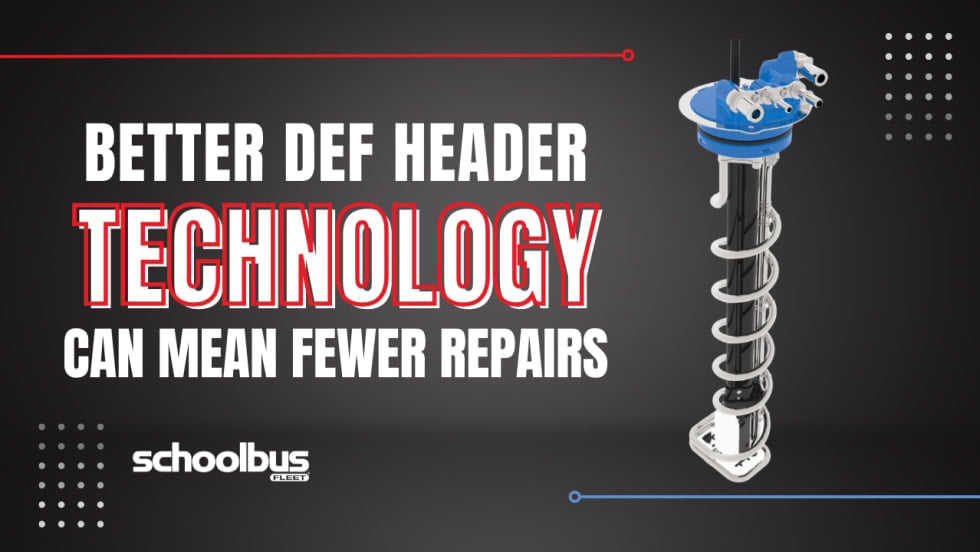
The Evolution of DEF Header Technology: What School Bus Operations Should Know at Replacement Time
See what school bus fleets should consider when replacing DEF headers to improve reliability, reduce repeat repairs, and control maintenance costs.
Read More →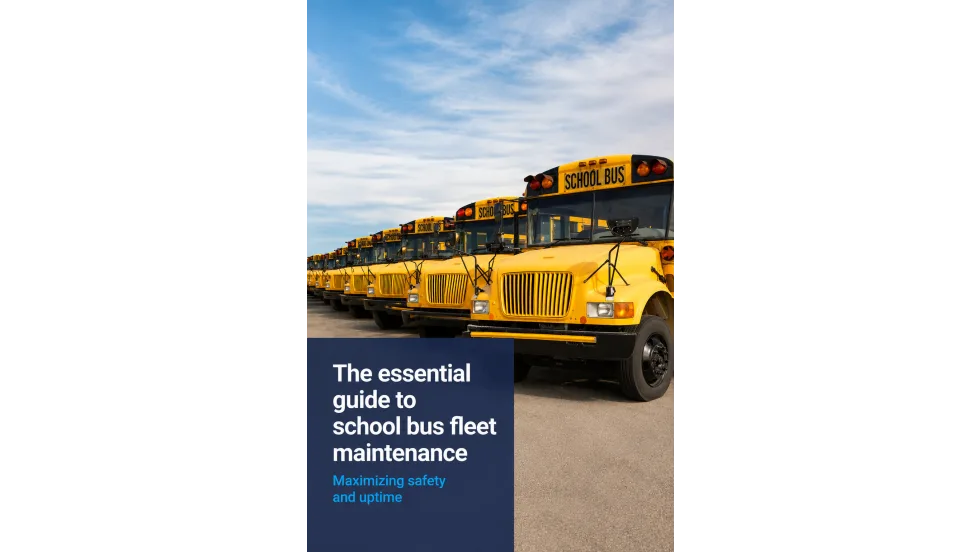
The Essential Guide to School Bus Maintenance and Student Safety
Your district's buses carry students to school every day. This guide shows how predictive maintenance powered by fleet data helps keep buses reliable, drivers accountable and students safer from the first bell to the last stop.
Read More →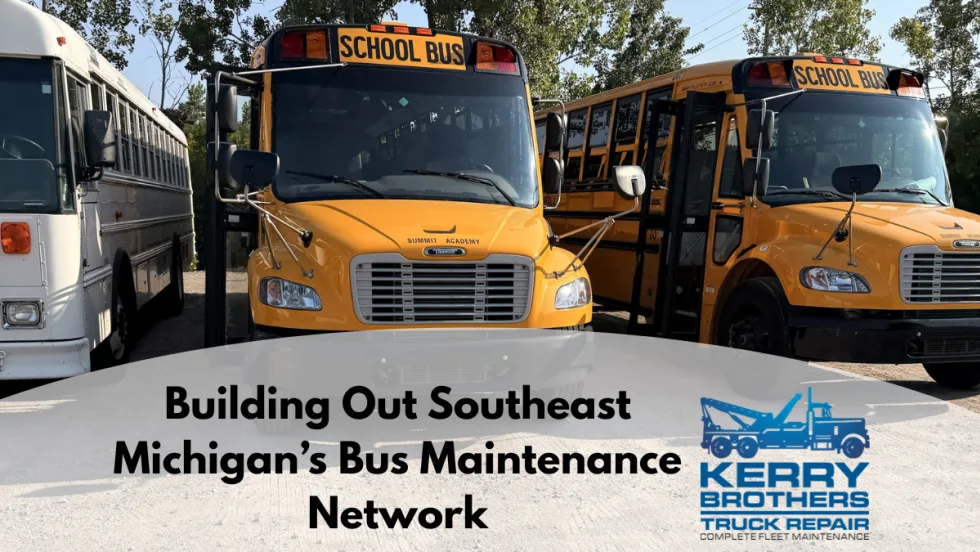
Kerry Brothers Grows Michigan School Bus Repair Network
The acquisition of Downriver Truck and Bus expands Kerry Brothers’ school bus maintenance footprint across southeast Michigan, adding repair capacity, diagnostic resources, and state inspection support.
Read More →