




IC Bus boosts efficiency at Tulsa plant
The manufacturer has been building school buses in the former B-24 bomber plant for 10 years now. Plant Manager Greg Hutchison, an auto industry veteran who came to the facility in September, tells SBF about changes that have increased quality and volume while keeping staffing levels consistent.

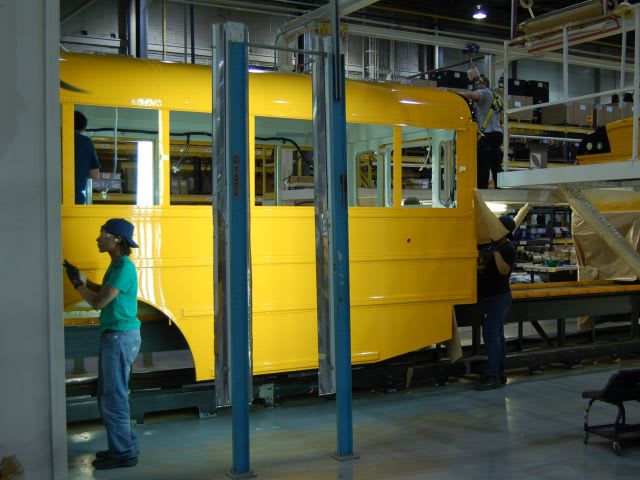
IC Bus builds its various school bus bodies and chassis in its mile-long plant in Tulsa, Okla.
TULSA, Okla. — More than 10 years after the company began building school buses in a former B-24 bomber plant here, IC Bus' Tulsa operation is still flying high.
Plant Manager Greg Hutchison, an auto industry veteran who came to the facility in September, has implemented changes to increase quality and volume.
IC Bus builds its various school bus bodies and chassis in the mile-long plant, which employs roughly 1,200 people.
Hutchison told SBF during a recent visit to the facility that one of his goals has been to "simplify and standardize what we do."
One key change has been the creation of a side assembly line for the company's rear-engine school buses, which Hutchison said has resulted in an 80-percent improvement in quality.
The Tulsa operation has also increased production under Hutchison's watch, even though staffing levels have stayed consistent and overtime has been cut down.
"In 10 years of operation, the plant has never reduced our permanent employee base and has experienced consistent growth," he noted.
The operation is now on a single 40-hour shift. Hutchison said that increases in production volume are planned for the second quarter of this year to meet increasing customer demand.
There are more growth opportunities on the horizon. In June, the Tulsa plant will begin building IC Bus' new AE series, the fully integrated Type A school bus that was previewed at the 2010 conference of the National Association for Pupil Transportation.
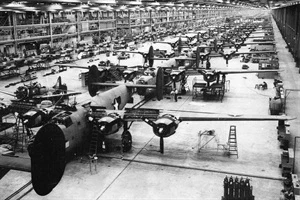
The Tulsa facility was built in 1941 to manufacture B-24 bombers, which were used by Allied forces in World War II.
The plant and its employees have also made improvements to their safety culture in recent years. In 2009 and again in 2010, they reached 1 million work hours without a lost-time injury case.
One noteworthy element of the workforce is the Bridges program, which creates job opportunities for individuals with developmental disabilities.
"They do some sequencing of parts and light assembly," Hutchison said.
The Tulsa facility was built in 1941 to manufacture B-24 bombers, which were used by Allied forces in World War II.
The plant had been sitting idle when IC Bus took it over, launching school bus production in 2001. An event was held last year to celebrate the operation's 10th anniversary.
More Maintenance
The essential guide to school bus maintenance and student safety
Reactive maintenance puts students at risk of breakdowns, delays and roadside emergencies. This guide gives transportation directors a data-driven framework to predict failures, extend bus lifespans and improve fleet reliability across every route.
Read More →
The Evolution of DEF Header Technology: What School Bus Operations Should Know at Replacement Time
See what school bus fleets should consider when replacing DEF headers to improve reliability, reduce repeat repairs, and control maintenance costs.
Read More →
Kerry Brothers Grows Michigan School Bus Repair Network
The acquisition of Downriver Truck and Bus expands Kerry Brothers’ school bus maintenance footprint across southeast Michigan, adding repair capacity, diagnostic resources, and state inspection support.
Read More →
Noregon Introduces CAN Bus Diagnostic Tool, Expands JPRO Features
CAN Mentor and the latest JPRO update aim to simplify vehicle network diagnostics and improve repair efficiency for technicians of all experience levels.
Read More →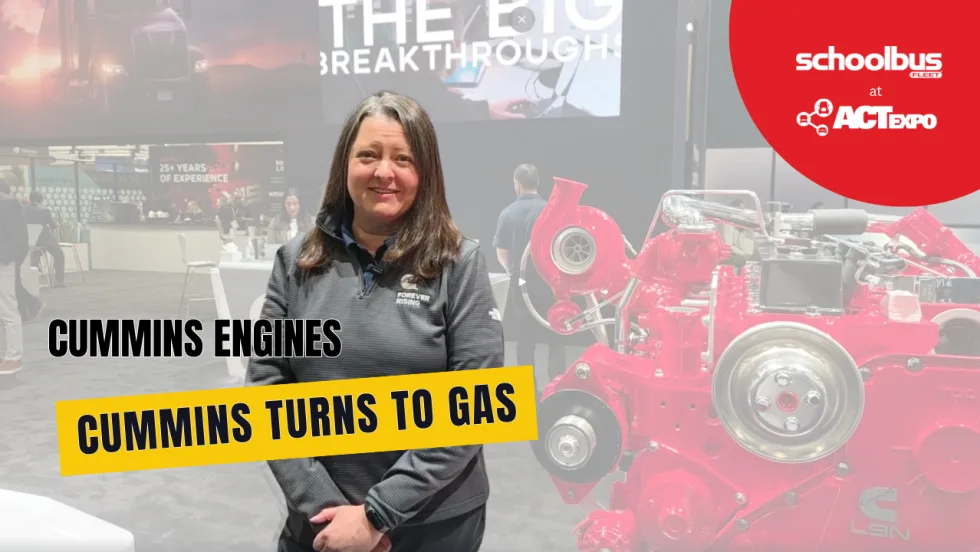
Cummins on Smarter, Simpler Engine Innovation
Cummins discusses its first-ever gasoline engine for school buses, EPA 2027, and why bus fleets still want durable, simpler internal combustion options.
Read More →
Report: 72% of Diesel School Buses Now Use Advanced Low-Emission Engines
New data shows advanced low-emission diesel technology continues expanding across school bus fleets, even as electric bus adoption gains momentum.
Read More →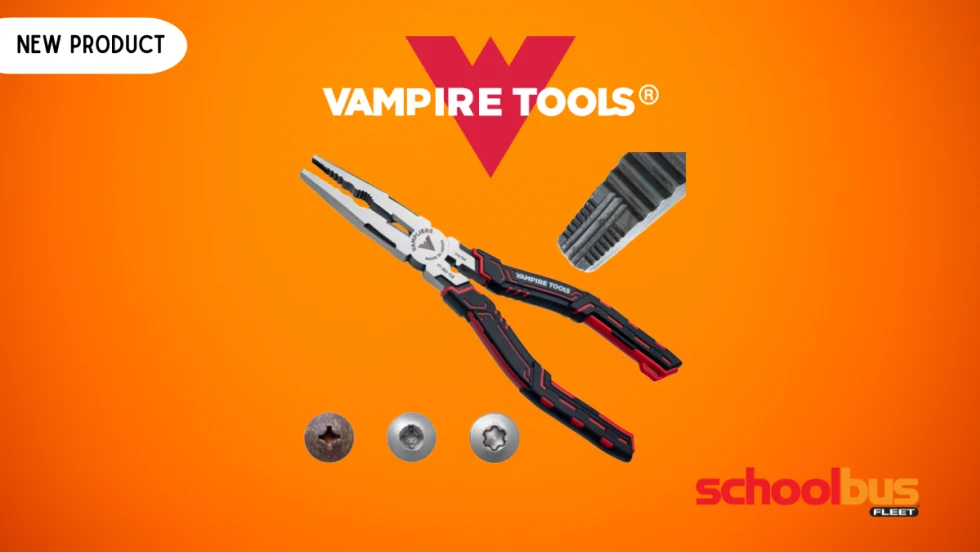
Vampire Tools' CAIMAN 7.5-Inch Multi-Purpose Screw Extractor Long-Nose Pliers with Crimper
Vampire Tools introduced the VAMPLIERS Caiman 7.5-inch multi-purpose pliers, combining screw extraction, cutting, crimping, and gripping functions into a single tool designed for fleet maintenance professionals.
Read More →
How Advanced Diagnostics Helps Bus Fleets Stay Ahead of Repairs
Chat with Noregon’s Kevin Smallhorn at ACT Expo about bus diagnostic tools, telematics integration, CNG maintenance support, and strategies to help reduce downtime and improve uptime.
Read More →
How School Bus Fleets are Getting Ahead of Breakdowns
Don’t let bus downtime wear you down. Here’s how bus operators are shifting from manual processes to AI-powered, data-driven maintenance systems for improved reliability and safety.
Read More →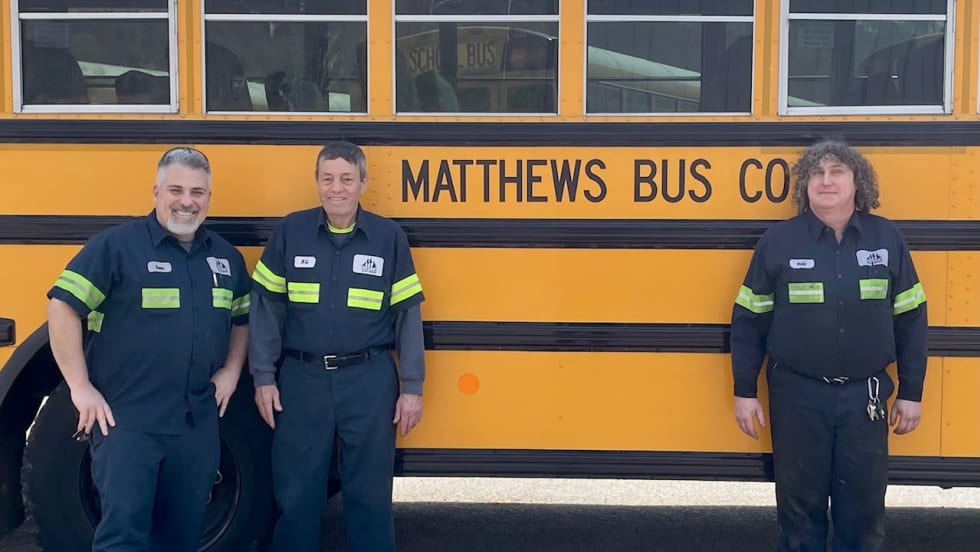
Pennsylvania School Bus Maintenance Team Praised for Dedication to Safety
Matthews Bus Company’s West Jefferson received a letter of commendation from the Pennsylvania State Police for their fleet inspections.
Read More →