




Reliability engineering can reduce shop costs
Reliability engineering is a discipline based on the use of data and averages to make predictions about unit and system failures.
Reliability engineering is a discipline based on the use of data and averages to make predictions about unit and system failures. The predictions made through this data analysis can be amazingly accurate and can save school bus maintenance managers money, time and frustration.
The data used to make these accurate failure predictions is probably already captured in your service records. The calculations can be as simple or as complex as the system that you wish to create or the failures that you wish to predict.
Here’s a simple example that uses Mean Time Between Failures (MTBF) and Mean Time to Restore (MTTR) to analyze the effectiveness of predictive replacement of certain parts or components. MTBF is the amount of time that you can expect on average to operate a unit without failure. MTTR is the time it takes on average to get a unit back on the road.
Real-world computations
A school district in Indiana covers 160 square miles with 275 active units. Each bus logs an average of 10,732 miles per year. The buses are rotated out of the fleet when they reach 10 years old. The average number of miles the district logs in a year is 275 x 10,732, or 2,951,300. The average service life of a school bus in this district is 10 x 10,732, or 107,320 miles.
According to a mechanic in the district, four of the failure modes experienced by the district are wipers, headlamps, fuel pumps and transmissions. On average, a wiper is changed once every 1,000 miles. Headlamps are also changed once every 1,000 miles. Fuel pumps fail about every 80,000 miles, and transmissions last about 100,000 miles. It takes about an hour to change a headlamp or a wiper if we round up. It takes about eight hours to change a fuel pump and three work days to change out or rebuild a transmission.
Applying the numbers
Preventive maintenance calculations may prove that it is more cost effective to replace fuel pumps at 60,000 miles as a matter of course than to let one fail, leaving the vehicle and its occupants stranded on the road.
A thorough review of the fleet maintenance records will determine the optimum preventive maintenance schedule. The cost of the fuel pump will be the same whether it is a scheduled repair or an emergency repair. The retrieval cost of a bus on the road and the dissatisfaction of the occupants will be avoided if the fuel pump is replaced in a controlled environment (preventive maintenance) prior to an unscheduled catastrophic failure.
Transmissions fail when they may, and the cost of replacing transmissions toward the end of the useful life of the bus as a matter of preventive maintenance does not make sense from a value perspective. Recall that average bus life is 107,320. Transmissions may fail around 100,000. While preventive maintenance for fuel pumps appears to make financial sense, replacing a transmission prior to failure does not.
Wipers are changed during the 2,000-mile checkup or as required. Wipers are a minor repair item and should continue to be checked during routine bus checks. Headlamps are replaced when damaged, and there is no prediction for damage. Headlamps are checked during the 2,000- and 6,000-mile checkups and replaced as required.
Strategy should be developed
An in-depth review of the maintenance records along with the development of a replacement strategy based on the repairs for the fleet could prove to be a valuable undertaking. A preventive maintenance/forecasting model could be developed using existing data.
Several reliability computer programs are already available for fleet use. The American Society for Quality also certifies reliability engineers, so a garage can certify its own people to do these calculations and change out high-risk items prior to their predicted failure.
Dollar bills are waiting to be picked up all around the garage just by applying some simple reliability calculations to your fleet.
Ted Mattis is the quality manager at Honeywell Aerospace in South Bend, Ind. He is currently enrolled in a doctorate program in technology management at Indiana State University.
More Maintenance
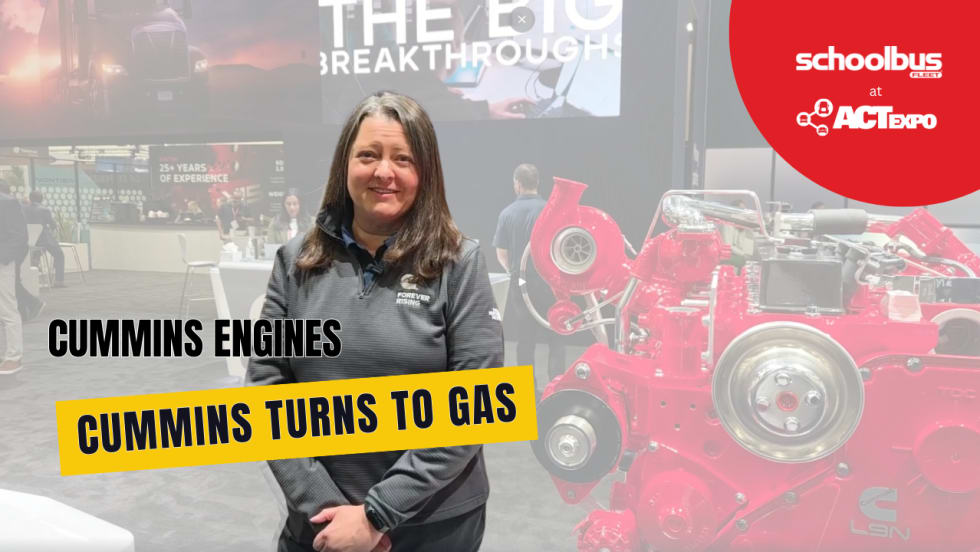
Cummins on Smarter, Simpler Engine Innovation
Cummins discusses its first-ever gasoline engine for school buses, EPA 2027, and why bus fleets still want durable, simpler internal combustion options.
Read More →
Report: 72% of Diesel School Buses Now Use Advanced Low-Emission Engines
New data shows advanced low-emission diesel technology continues expanding across school bus fleets, even as electric bus adoption gains momentum.
Read More →
Vampire Tools' CAIMAN 7.5-Inch Multi-Purpose Screw Extractor Long-Nose Pliers with Crimper
Vampire Tools introduced the VAMPLIERS Caiman 7.5-inch multi-purpose pliers, combining screw extraction, cutting, crimping, and gripping functions into a single tool designed for fleet maintenance professionals.
Read More →
How Advanced Diagnostics Helps Bus Fleets Stay Ahead of Repairs
Chat with Noregon’s Kevin Smallhorn at ACT Expo about bus diagnostic tools, telematics integration, CNG maintenance support, and strategies to help reduce downtime and improve uptime.
Read More →
How School Bus Fleets are Getting Ahead of Breakdowns
Don’t let bus downtime wear you down. Here’s how bus operators are shifting from manual processes to AI-powered, data-driven maintenance systems for improved reliability and safety.
Read More →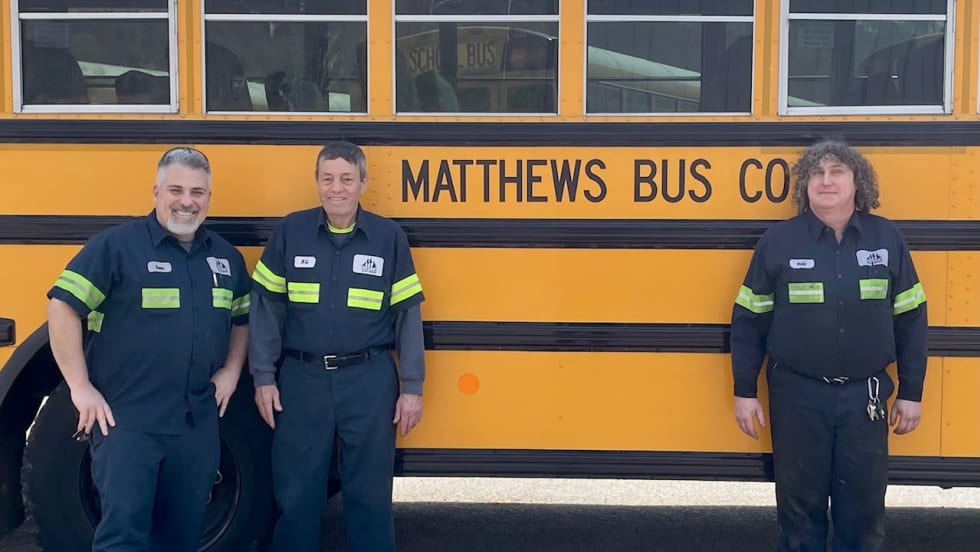
Pennsylvania School Bus Maintenance Team Praised for Dedication to Safety
Matthews Bus Company’s West Jefferson received a letter of commendation from the Pennsylvania State Police for their fleet inspections.
Read More →
2026 State of Student Transportation Report
Student transportation teams are being asked to do more with less, facing driver shortages, rising costs, and increasing safety expectations. This report uncovers how fleets are adapting, where technology is making the biggest impact, and why student ridership tracking is emerging as a top priority. Download the report to explore the key trends shaping 2026 and what they mean for your operation.
Read More →
From Chaos to Clarity: How School Districts Are Running Leaner Transportation Operations
Covering 38 routes on a Friday afternoon. Buses idling while routes overlap. Parents calling nonstop about late arrivals. Sound familiar? This whitepaper explores how district transportation leaders solved these exact problems — and what measurable results followed.
Read More →
The New Playbook for Safer, Smarter School Bus Maintenance
As school districts juggle aging buses, technician shortages and rising safety expectations, proactive fleet maintenance is becoming essential. This guide explores how telematics, predictive maintenance and real-time vehicle data can help transportation departments reduce breakdowns, extend vehicle life, improve compliance and keep students safer on the road.
Read More →
2026 School Bus Fleet Vendor Directory & Buyer's Guide
Searching for the right equipment, technology, or services for your school transportation program? This industry guide brings together manufacturers and suppliers across the entire school bus market, all in one place. Download it to find the partners who can help move your operation forward.
Read More →