



Develop an Effective PM Program to Cut Costs
Operators of small buses who implement a thorough, well-considered preventive maintenance (PM) program can reap substantial savings. Worn or damaged c...
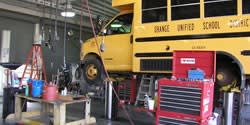
Operators of small buses who implement a thorough, well-considered preventive maintenance (PM) program can reap substantial savings. Worn or damaged components can be replaced before they cause costly breakdowns, which also helps to reduce the amount of time the vehicles are off the road and in the shop.
Such a program goes well beyond simply performing routine maintenance procedures on a regular basis. A good PM program includes detailed record keeping and ongoing analysis of the fleet’s operations and the buses’ performance.
Getting started
To develop an effective PM program, start with a baseline for vehicle maintenance. Use the maintenance schedule that the manufacturer of the bus and its various component suppliers (lift, chassis, powertrain, etc.) suggests.
Operators of one or two buses often rely on their bus dealer to establish their PM program. These dealers, in turn, rely on OEMs to provide ongoing maintenance assistance, service advisors and updates.
Most manufacturers offer multiple schedules to accommodate the different ways bus operators use the vehicles. The schedules differentiate between buses driven on short, multiple-stop routes and those employed for long-trip routes. Gasoline and diesel vehicles also require different schedules.
Select the schedule that applies to your situation. Then closely examine how your drivers use their vehicles and adjust the schedule accordingly. A short-trip diesel schedule may suggest changing the oil and filter every 2,500 miles or three months, but if your routes involve more stop-and-go driving through dusty areas, the oil may need changing sooner and you may need to implement an hourly schedule or fuel usage schedule. A less punishing route may extend your service interval. Contact your manufacturer for recommendations.
By refining the baseline schedule, your maintenance department can perform all routine procedures at the optimal interval to produce the best cost savings and the best vehicle performance.
{+PAGEBREAK+} Component strategies
Inevitably, breakdowns do occur. That’s when it’s time to analyze what component required replacement and why. The reason: if a component requires replacement on one vehicle, it may also on others. Look for damage caused by a defective part, overload or driver abuse.
For instance, if your mechanic determines that a diesel engine has a clogged fuel filter, you may have received a batch of contaminated fuel. That problem will spread across your fleet unless you take immediate corrective action.
Another element of an effective PM program is identifying which components and labor operations cost the most money. By ranking components and labor according to their percentage of maintenance costs, you can determine how to divide your resources. In most cases, tires, followed by engines and brakes, account for highest maintenance costs.
Some estimates say tires account for about 20 percent of a vehicle’s maintenance costs. You need to invest in routine maintenance to ensure long-term performance. Therefore, check air pressure and rotate tires on a regular basis. Your record keeping system will tell you the optimum time for tire rotation based on how your vehicles are used.
Fluid analysis
Fluid analysis offers one of the best methods for diagnosing potential vehicle problems. Benefits of fluid analysis include the following:
Reduced maintenance cost through optimizing fluid life.
Improving life expectancy of vehicle components.
Creating an early warning system for mechanical problems.
A laboratory can perform two different types of tests on oil. One measures contaminants and oil breakdown components in the fluid. A spectrochemical or spectrographic analysis measures certain metallic elements present as microscopic particles. By using the more sophisticated analysis, fleet managers can track wear patterns in an engine and even predict failures.
Driver’s reportYou can find another element of a good PM program in the driver’s report. Federal law requires the driver to check 10 specific items before the vehicle leaves the terminal. At a minimum, the driver must inspect:
Steering system
Parking brake
Service brakes
Tires
Wheels
Lights and reflectors
Horn
Windshield wipers
Mirrors
Emergency equipment
Your garage must repair any defect or deficiency in these 10 items before the vehicle returns to the road.
Your maintenance team can take advantage of this daily inspection to further the PM program. Besides inspecting components, your drivers can tell your mechanics about quirks in handling or signs of wear. All can be clues to possible component failure.
Michael D. Winter is regional service manager for Workhorse Custom Chassis in Highland Park, Ill.
More Maintenance
Cummins on Smarter, Simpler Engine Innovation
Cummins discusses its first-ever gasoline engine for school buses, EPA 2027, and why bus fleets still want durable, simpler internal combustion options.
Read More →
Report: 72% of Diesel School Buses Now Use Advanced Low-Emission Engines
New data shows advanced low-emission diesel technology continues expanding across school bus fleets, even as electric bus adoption gains momentum.
Read More →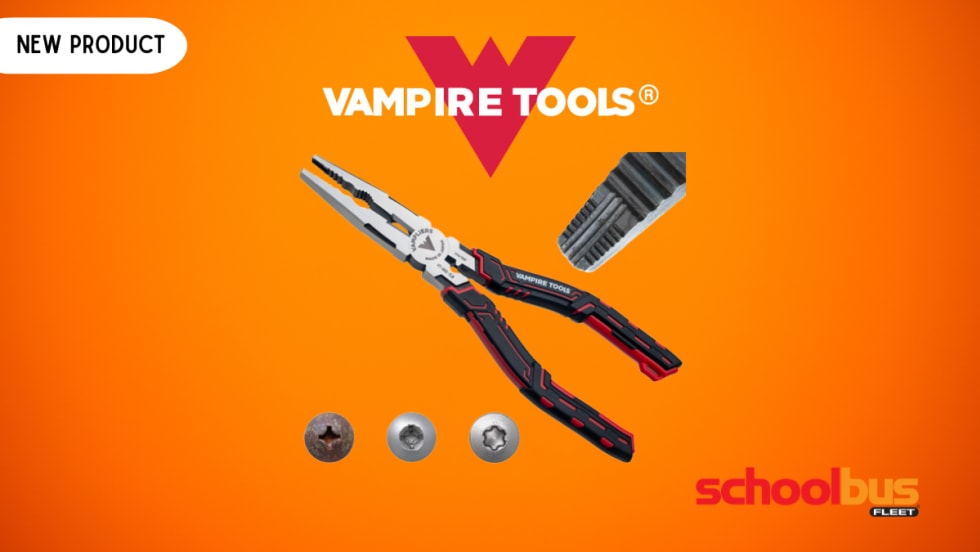
Vampire Tools' CAIMAN 7.5-Inch Multi-Purpose Screw Extractor Long-Nose Pliers with Crimper
Vampire Tools introduced the VAMPLIERS Caiman 7.5-inch multi-purpose pliers, combining screw extraction, cutting, crimping, and gripping functions into a single tool designed for fleet maintenance professionals.
Read More →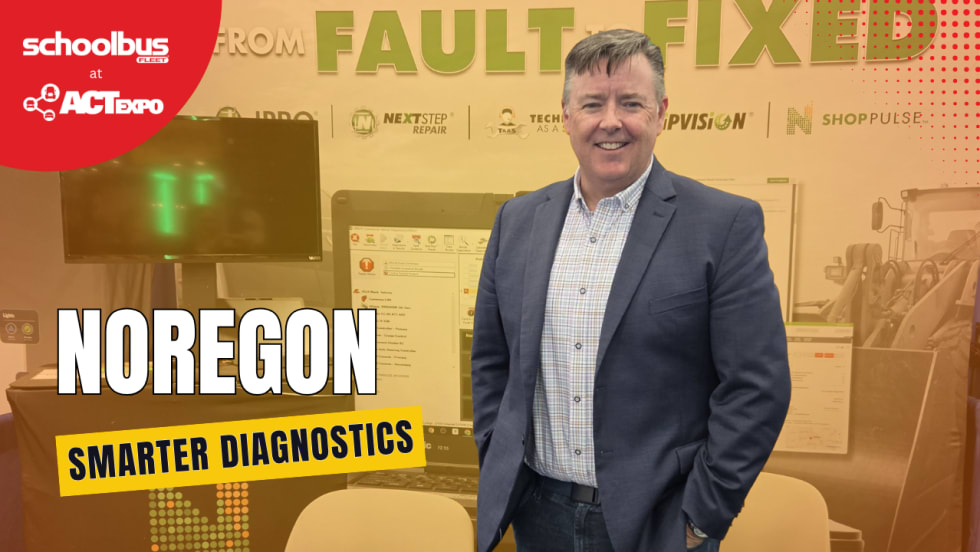
How Advanced Diagnostics Helps Bus Fleets Stay Ahead of Repairs
Chat with Noregon’s Kevin Smallhorn at ACT Expo about bus diagnostic tools, telematics integration, CNG maintenance support, and strategies to help reduce downtime and improve uptime.
Read More →
How School Bus Fleets are Getting Ahead of Breakdowns
Don’t let bus downtime wear you down. Here’s how bus operators are shifting from manual processes to AI-powered, data-driven maintenance systems for improved reliability and safety.
Read More →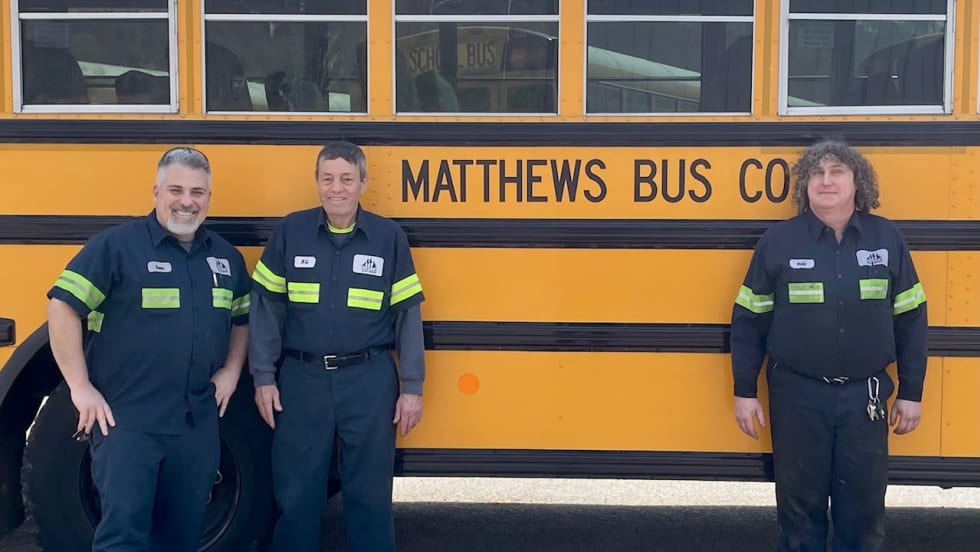
Pennsylvania School Bus Maintenance Team Praised for Dedication to Safety
Matthews Bus Company’s West Jefferson received a letter of commendation from the Pennsylvania State Police for their fleet inspections.
Read More →
2026 State of Student Transportation Report
Student transportation teams are being asked to do more with less, facing driver shortages, rising costs, and increasing safety expectations. This report uncovers how fleets are adapting, where technology is making the biggest impact, and why student ridership tracking is emerging as a top priority. Download the report to explore the key trends shaping 2026 and what they mean for your operation.
Read More →
From Chaos to Clarity: How School Districts Are Running Leaner Transportation Operations
Covering 38 routes on a Friday afternoon. Buses idling while routes overlap. Parents calling nonstop about late arrivals. Sound familiar? This whitepaper explores how district transportation leaders solved these exact problems — and what measurable results followed.
Read More →
The New Playbook for Safer, Smarter School Bus Maintenance
As school districts juggle aging buses, technician shortages and rising safety expectations, proactive fleet maintenance is becoming essential. This guide explores how telematics, predictive maintenance and real-time vehicle data can help transportation departments reduce breakdowns, extend vehicle life, improve compliance and keep students safer on the road.
Read More →
2026 School Bus Fleet Vendor Directory & Buyer's Guide
Searching for the right equipment, technology, or services for your school transportation program? This industry guide brings together manufacturers and suppliers across the entire school bus market, all in one place. Download it to find the partners who can help move your operation forward.
Read More →