



N.Y. Inspection System Creates Operator Profiles
BUSNET has improved safety and reduced a torrent of paper to a manageable information stream.
Like almost everything else it does, New York inspects buses in a big way. Spread out over eight geographic regions, more than 100 inspectors from the state Department of Transportation perform more than 140,000 semi-annual bus inspections for 3,000 public and private operators and their 50,000 vehicles, including 40,000 school buses. It's the nation's largest bus inspection program.
BUSNET's open books
New York state law mandates bus inspections every six months. Do the math, and it quickly becomes obvious that the records from one inspection interval — not to mention three or four year's worth — involve a massive amount of information and a corresponding mountain of paper records. While the information gathered during these inspections is of obvious public interest, in most states the information itself could be buried under layers of unfriendly, or at least unwieldy, bureaucracy. New York had another idea: Why not cull all that information — it is, after all, public information — and make it available to the public in an easily retrievable form? The system it developed, BUSNET, short for "Bus Safety Information Network," accomplishes that goal, and, in typical New York fashion, the system is unique. Developed by the DOT's Passenger and Freight Safety Division/Motor Carrier Safety Bureau, BUSNET is basically a centralized database of statewide inspection reports, which offers a comprehensive overview of the safety of New York's buses and the diligence of its various bus operators. The system has not only streamlined the DOT's record keeping, it appears to have made a significant contribution to bus safety as well. When BUSNET was first launched in 1994, 23 percent of all bus operators statewide had out-of-service rates (OOS) of 40 percent or higher. During the past six months — the latest reporting period — the OOS rate was down to 15 percent.
Monitoring maintenance
From loose screws and torn seats to faulty brake or steering systems, the BUSNET database offers a detailed picture of the state's bus industry. "We're basically monitoring the effectiveness of the operators' maintenance programs," says Joseph Scesny, head of the state DOT's Truck and Bus Safety Section. "Everything we identify that's not normal — that can lead to a defect that will take the vehicle out of service — is categorized with a number." That's the heart of the system: BUSNET assigns a numerical value for every item inspected during a typical 198-point state bus inspection. The computer database can then tally those numbers, creating an "operator profile" that shows how that operator's buses fared for each item inspected. One of the system's most valuable features is its ability to single out specific items and compile a variety of specialized reports, highlighting, for example, the most prevalent defects found for one operator, out-of-service rates for one or all operators, defects found during a particular inspection interval, and, notably, the work of the DOT inspectors themselves. "The operators suggested it," says Scesny, who adopted the idea. The idea behind tracking the inspectors, he added, was to standardize the inspection routines so that bus operators are assured that the inspection they receive is neither more nor less rigorous than their competitors. "It's a fair system," Scesny opines. "We are always striving to have all our inspectors perform inspections in a unified manner. "For example, I had a new inspector who over the course of 1,000 inspections found, maybe, 64 hydraulic brake defects, when the average was 250, which tells me he may need some training in hydraulic brake systems."
Early defect detection
The DOT is utilizing BUSNET proactively, to catch safety defects before they hit the road. The department is sending inspectors to the vehicle distributors and tracking defects that are found before the buses are put into service. Scesny says inspections of new buses usually reveal only minor workmanship flaws unrelated to road-worthiness; still, "we track anything we identify that's not like it's supposed to be." BUSNET's data reports are being further refined to defuse other potential safety concerns. Like any mechanical defect, overdue preventive maintenance now has its own BUSNET code, and the database can quickly identify operators who fail to live up to their PM schedules. Currently, the most frequent requests for BUSNET reports are from school districts evaluating the safety of their own fleets or comparing contractors during the bidding process. Insurance companies also are increasingly interested in viewing BUSNET data on the companies they insure. Anyone who is interested in viewing a contractor or school district's operator profile can contact the closest DOT regional office and request a profile for any operator. Scesny says the DOT is exploring the possibility of making BUSNET information available on the Internet. But that effort is on hold while notification and security issues are being resolved. "If ABC Bus Company wants XYZ Bus Company's rating, we would give that to them, but we would also notify XYZ that ABC got a copy of it," he explains.
More Maintenance

Cummins on Smarter, Simpler Engine Innovation
Cummins discusses its first-ever gasoline engine for school buses, EPA 2027, and why bus fleets still want durable, simpler internal combustion options.
Read More →
Report: 72% of Diesel School Buses Now Use Advanced Low-Emission Engines
New data shows advanced low-emission diesel technology continues expanding across school bus fleets, even as electric bus adoption gains momentum.
Read More →
Vampire Tools' CAIMAN 7.5-Inch Multi-Purpose Screw Extractor Long-Nose Pliers with Crimper
Vampire Tools introduced the VAMPLIERS Caiman 7.5-inch multi-purpose pliers, combining screw extraction, cutting, crimping, and gripping functions into a single tool designed for fleet maintenance professionals.
Read More →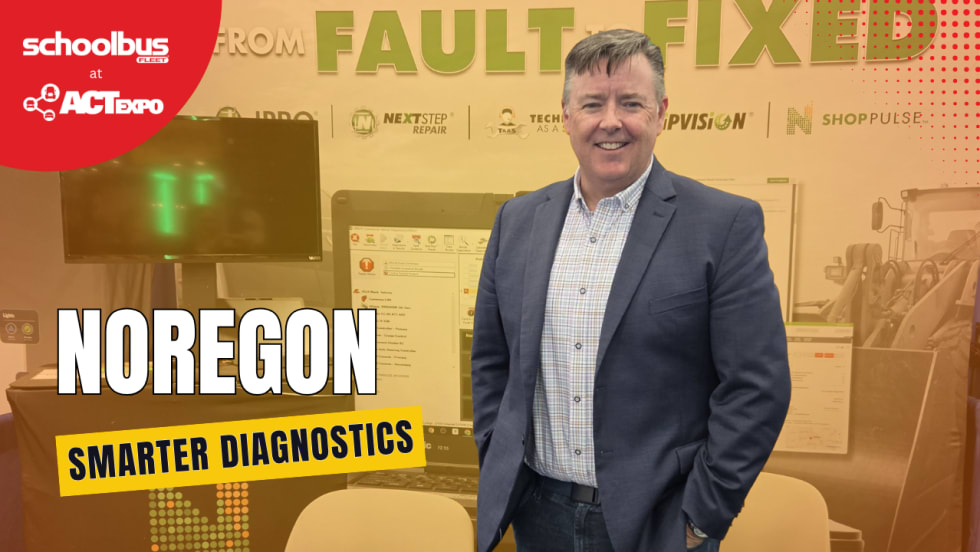
How Advanced Diagnostics Helps Bus Fleets Stay Ahead of Repairs
Chat with Noregon’s Kevin Smallhorn at ACT Expo about bus diagnostic tools, telematics integration, CNG maintenance support, and strategies to help reduce downtime and improve uptime.
Read More →
How School Bus Fleets are Getting Ahead of Breakdowns
Don’t let bus downtime wear you down. Here’s how bus operators are shifting from manual processes to AI-powered, data-driven maintenance systems for improved reliability and safety.
Read More →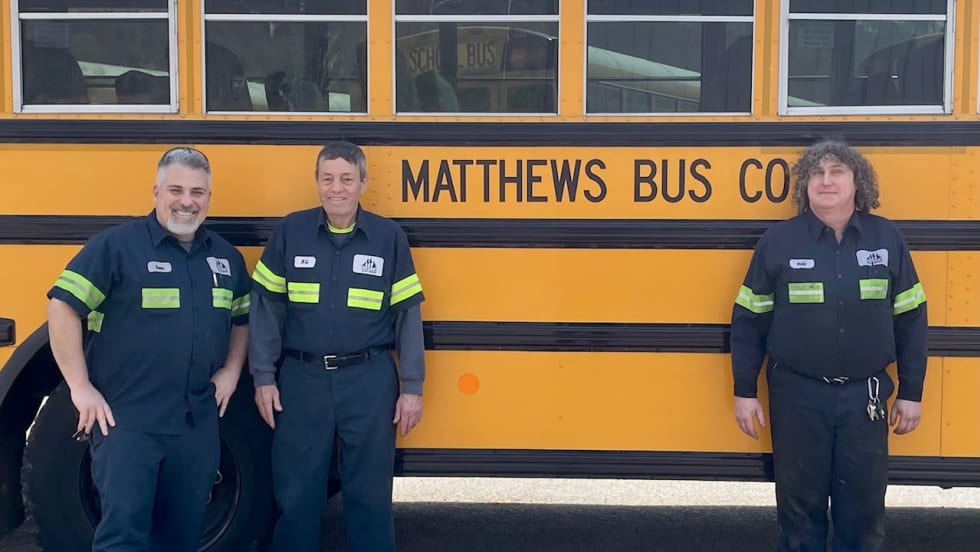
Pennsylvania School Bus Maintenance Team Praised for Dedication to Safety
Matthews Bus Company’s West Jefferson received a letter of commendation from the Pennsylvania State Police for their fleet inspections.
Read More →
2026 State of Student Transportation Report
Student transportation teams are being asked to do more with less, facing driver shortages, rising costs, and increasing safety expectations. This report uncovers how fleets are adapting, where technology is making the biggest impact, and why student ridership tracking is emerging as a top priority. Download the report to explore the key trends shaping 2026 and what they mean for your operation.
Read More →
From Chaos to Clarity: How School Districts Are Running Leaner Transportation Operations
Covering 38 routes on a Friday afternoon. Buses idling while routes overlap. Parents calling nonstop about late arrivals. Sound familiar? This whitepaper explores how district transportation leaders solved these exact problems — and what measurable results followed.
Read More →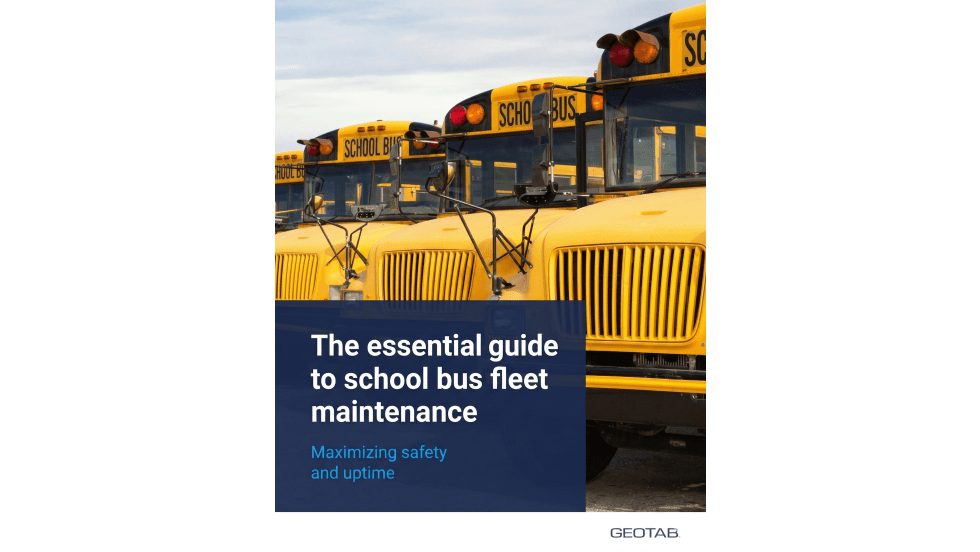
The New Playbook for Safer, Smarter School Bus Maintenance
As school districts juggle aging buses, technician shortages and rising safety expectations, proactive fleet maintenance is becoming essential. This guide explores how telematics, predictive maintenance and real-time vehicle data can help transportation departments reduce breakdowns, extend vehicle life, improve compliance and keep students safer on the road.
Read More →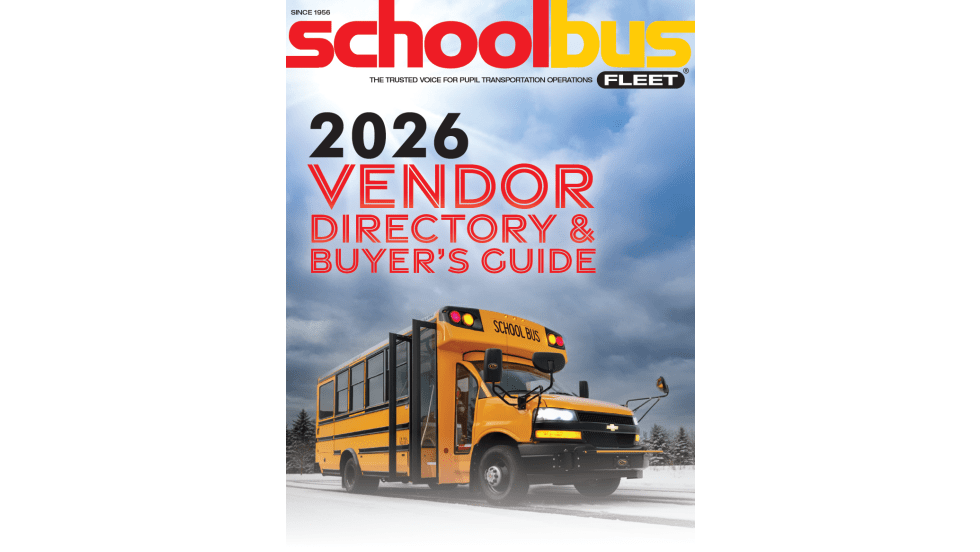
2026 School Bus Fleet Vendor Directory & Buyer's Guide
Searching for the right equipment, technology, or services for your school transportation program? This industry guide brings together manufacturers and suppliers across the entire school bus market, all in one place. Download it to find the partners who can help move your operation forward.
Read More →