



Maintenance guidelines for hydraulic disc brake systems
There's nothing more important on any school bus than the braking system. It is in keeping with a concern for safety that the four-wheel disc brake sy...
There's nothing more important on any school bus than the braking system. It is in keeping with a concern for safety that the four-wheel disc brake system has become the brake of choice for the school bus industry. Disc brakes are long lasting and provide safe, even stopping. Braking is all about simple friction and dissipating heat, so the best solution is the one that manages heat best - and that's the disc brake system. Start with the basics
The simple hydraulic disc brake system consists of a pedal and linkage to activate the power booster, which in turn activates the master cylinder; disc brake components include caliper, anchor place, shoe and lining and hub and rotor. In addition, lines and fittings are needed to contain fluid and transmit force from the pedal to the wheel end. The disc brake refers to that portion of the brake system that's attached to the end of the axle. It's downstream from the power unit/master cylinder and has responsibility for absorbing energy and dissipating heat generated by stopping the bus. Disc brake systems use a two-piston sliding caliper at the steer axle and drive axle; older buses may utilize a single-piston caliper. Service on the single- or twin-piston caliper is essentially the same. The caliper attaches to and slides within an anchor plate or bracket. Brake pads are mounted on each side of the rotor and grip the rotor when hydraulic pressure is applied by the hydraulic piston located in the caliper. The cast disc (rotor) is bolted to the hub assembly. Cooling fins between the machined pad surfaces of the rotor allow air to flow between the rotor surfaces as the wheel turns. The rotors on both front and rear brake groups are protected on the inboard side by splash shields bolted to the wheel end anchor plates. Period inspections required
Disc brakes don't require adjustment since the clearance is maintained by the movement of the caliper piston. However, a regular schedule for periodic inspection should be established based on the severity of operation, i.e., frequent stop and go driving in urban traffic. While disc brakes don't need adjustment, wheel bearings do. Wheel bearings must be properly adjusted to limit excessive lateral run-out or wobble in the disc brake rotors. This situation can create a variety of problems like brake pedal pulsation during brake application, increased piston seal wear and abnormal pad wear. Periodic adjustment to manufacturer specifications is required. Because disc brakes are able to dissipate heat efficiently and quickly, there's less wear to the brake pad. The shoe and lining assembly consists of a steel backing with attached lining material. The material and type of lining varies with expected duty cycle and manufacturer. Visually inspect the brake pad lining by checking each visible end and look through the opening of the caliper. If lining thickness at the thinnest point appears to be 3/16 inch (4.76 mm) or less, the pad must be replaced. OEM-specified brake lining and pads are recommended when replacement is necessary. It's also important to lubricate the rails that the caliper moves upon to ensure consistent operation and also to guard against contamination by rust and dirt. OEM-standard lubricants are the best choice for this application because they're designed to meet tough duty standards, like school buses. Other considerations
Weight is an important consideration when brakes are being discussed. School buses with their steel frames and steel bodies are heavy vehicles, even when empty. Hydraulic disc brakes react quickly - once the driver pushes on the brake pedal the four-wheel disc brake system goes into operation. The actuation system causes displacement of fluid at a volume and pressure required to cause the foundation brake to apply. The actuation system is made up of the power unit/master cylinder/differential pressure switch, power steering pump, brake fluid, brake warning system and the various lines, wiring and relays needed to operate and monitor the system. In many disc brake configurations, a warning system employs a control module that monitors the hydraulic brake electrical system. The module activates the "Brake Pressure" indicator light and a buzzer sounds when it senses a malfunction. Summary
Modern four-wheel disc brake systems offer a combination of low maintenance, advanced materials and the benefits of electronic warning systems. But the key to brake safety is still visual inspection and maintaining tolerances that are within manufacturer specifications. John Fay is school bus marketing manager for Navistar International.
More Maintenance
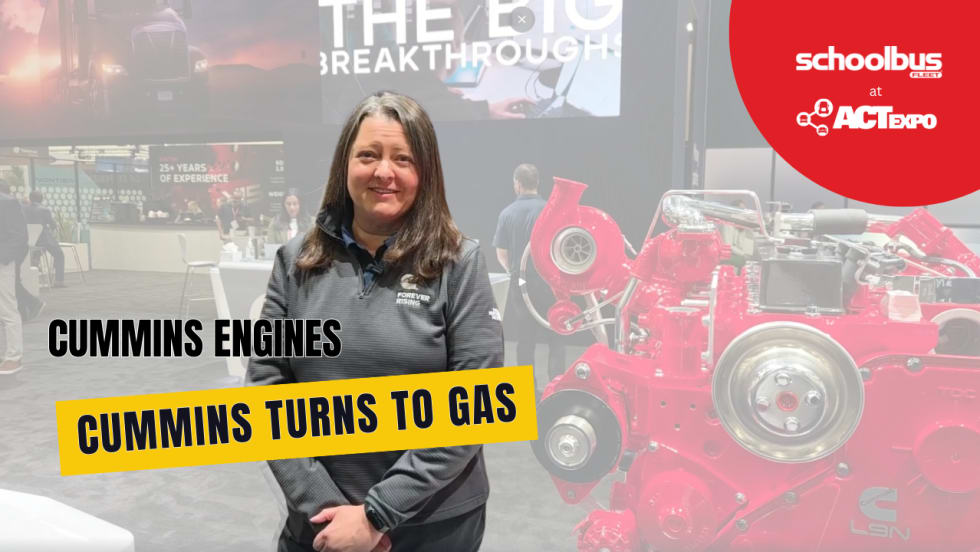
Cummins on Smarter, Simpler Engine Innovation
Cummins discusses its first-ever gasoline engine for school buses, EPA 2027, and why bus fleets still want durable, simpler internal combustion options.
Read More →
Report: 72% of Diesel School Buses Now Use Advanced Low-Emission Engines
New data shows advanced low-emission diesel technology continues expanding across school bus fleets, even as electric bus adoption gains momentum.
Read More →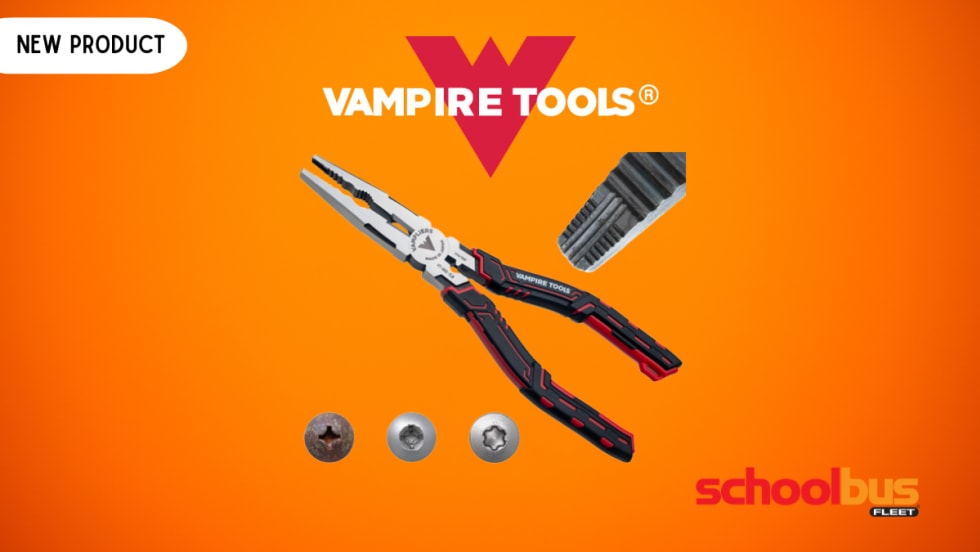
Vampire Tools' CAIMAN 7.5-Inch Multi-Purpose Screw Extractor Long-Nose Pliers with Crimper
Vampire Tools introduced the VAMPLIERS Caiman 7.5-inch multi-purpose pliers, combining screw extraction, cutting, crimping, and gripping functions into a single tool designed for fleet maintenance professionals.
Read More →
How Advanced Diagnostics Helps Bus Fleets Stay Ahead of Repairs
Chat with Noregon’s Kevin Smallhorn at ACT Expo about bus diagnostic tools, telematics integration, CNG maintenance support, and strategies to help reduce downtime and improve uptime.
Read More →
How School Bus Fleets are Getting Ahead of Breakdowns
Don’t let bus downtime wear you down. Here’s how bus operators are shifting from manual processes to AI-powered, data-driven maintenance systems for improved reliability and safety.
Read More →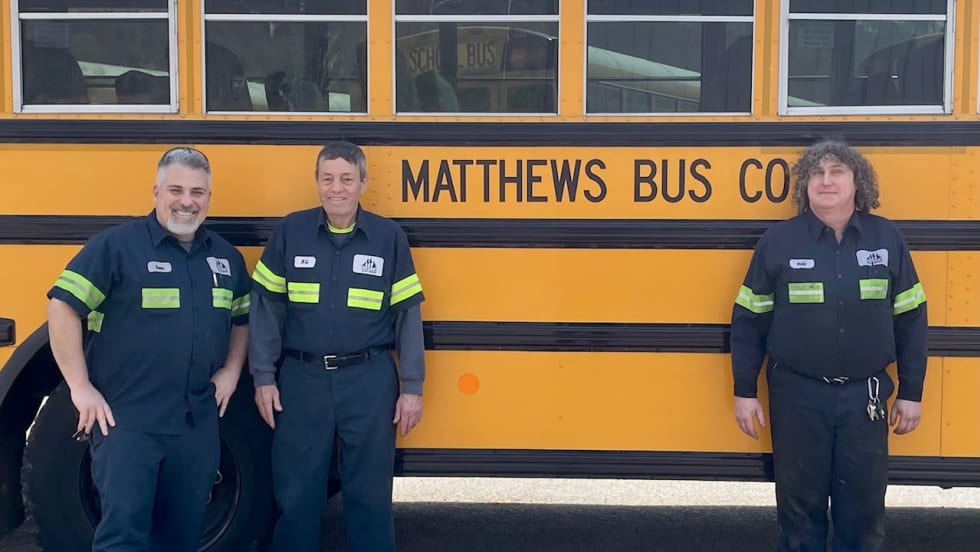
Pennsylvania School Bus Maintenance Team Praised for Dedication to Safety
Matthews Bus Company’s West Jefferson received a letter of commendation from the Pennsylvania State Police for their fleet inspections.
Read More →
2026 State of Student Transportation Report
Student transportation teams are being asked to do more with less, facing driver shortages, rising costs, and increasing safety expectations. This report uncovers how fleets are adapting, where technology is making the biggest impact, and why student ridership tracking is emerging as a top priority. Download the report to explore the key trends shaping 2026 and what they mean for your operation.
Read More →
From Chaos to Clarity: How School Districts Are Running Leaner Transportation Operations
Covering 38 routes on a Friday afternoon. Buses idling while routes overlap. Parents calling nonstop about late arrivals. Sound familiar? This whitepaper explores how district transportation leaders solved these exact problems — and what measurable results followed.
Read More →
The New Playbook for Safer, Smarter School Bus Maintenance
As school districts juggle aging buses, technician shortages and rising safety expectations, proactive fleet maintenance is becoming essential. This guide explores how telematics, predictive maintenance and real-time vehicle data can help transportation departments reduce breakdowns, extend vehicle life, improve compliance and keep students safer on the road.
Read More →
2026 School Bus Fleet Vendor Directory & Buyer's Guide
Searching for the right equipment, technology, or services for your school transportation program? This industry guide brings together manufacturers and suppliers across the entire school bus market, all in one place. Download it to find the partners who can help move your operation forward.
Read More →